
Title Tag: Easy Italian Breakfast Recipes at Home | Tasty Meal Recipes Meta Description: Discover easy Italian breakfast recipes at home — from creamy cappuccino to savory frittata. Simple ingredients, authentic flavors, ready in minutes. H1: Wake Up Like a Local: Irresistible Italian Breakfast Ideas You Can Make at Home
The first time I sat down in a tiny bar in Bologna — the kind with a marble counter barely wide enough for your espresso cup — I understood something that no cookbook had ever told me. Italian breakfast isn’t about quantity. It’s about intention. A single perfectly pulled shot of espresso, a flaky cornetto still warm from the oven, maybe a small glass of fresh orange juice. That was it. And somehow, it was the most satisfying morning meal I’d ever had. When I came home, I became a little obsessed with recreating that feeling, which sent me deep into the world of easy Italian breakfast recipes at home. What I found surprised me — these recipes are genuinely simple, surprisingly nourishing, and way more doable on a Tuesday morning than I’d assumed. If you’ve been searching for quick Italian morning recipes that actually taste like the real thing, you’re in exactly the right place.
Why You’ll Love These Recipes
There’s a certain kind of morning magic that comes from a breakfast built around real ingredients and a little bit of care. Italian morning food sits right at that intersection of effortless and elegant. You don’t need a wood-fired oven, a gelato machine, or a trip to a specialty importer. Most of what you need is already in your fridge or pantry.
These recipes pull from the traditions of the Mediterranean diet — a way of eating that’s been consistently linked to heart health, stable energy levels, and better satiety throughout the morning. Olive oil, eggs, whole-grain bread, fresh vegetables, and quality dairy are the building blocks here. Nothing flashy, nothing processed beyond recognition.
What I love most is the flexibility. Cooking for one on a weekday? A two-egg frittata takes ten minutes flat. Hosting a lazy Sunday brunch? That same frittata scales beautifully to feed six, and you can prep the egg mixture the night before. These recipes also work well as part of a broader Mediterranean-style meal prep strategy if you’re trying to eat more intentionally across the week.
And honestly? There’s something deeply pleasurable about starting your day with food that has roots. When you spread apricot jam on toasted pane di casa or crack eggs into a pan with good olive oil, you’re participating in a morning ritual that millions of Italian families have repeated for generations. That feeling is worth something.
Ingredients You’ll Need
For the recipes below — a spinach and ricotta frittata, simple bruschetta with eggs, and a proper Italian-style cappuccino — here’s your full shopping list. Most of these ingredients overlap, so buying them covers all three recipes at once.
For the Ricotta Frittata
- 4 large eggs (free-range, if possible — the yolks are richer and more golden)
- 1/2 cup whole milk ricotta
- 1/4 cup freshly grated Parmigiano-Reggiano
- 1 cup baby spinach
- 2 tablespoons extra-virgin olive oil
- 1/2 teaspoon fine sea salt
- Freshly cracked black pepper to taste
For Bruschetta con Uova (Egg Bruschetta)
- 2 thick slices pane di casa or ciabatta
- 2 large eggs
- 1 tablespoon extra-virgin olive oil
- 1 garlic clove, halved
- 4-5 cherry tomatoes, halved
- Pinch of dried oregano
- Flaky sea salt to finish
For the Cappuccino
- 2 shots freshly brewed espresso (a stovetop Moka pot works beautifully)
- 1/2 cup whole milk, cold
- Optional: 1 teaspoon raw honey
For Serving (Optional but Wonderful)
- Good-quality apricot or fig jam
- Fresh orange juice
- A handful of mixed olives
How to Make Easy Italian Breakfast Recipes at Home — Step by Step
Recipe 1: Spinach and Ricotta Frittata
Preheat your oven to 375°F (190°C). In a medium bowl, whisk together the eggs, ricotta, and Parmigiano until the mixture is smooth and slightly frothy — about 45 seconds of real whisking. The ricotta is the secret weapon here. It creates tiny pockets of creaminess throughout the finished frittata that no amount of extra butter can replicate. Season with salt and a generous amount of cracked pepper.
Heat olive oil in a 8-inch oven-safe skillet (cast iron is ideal) over medium heat. Add the baby spinach and stir gently until just wilted, about 90 seconds. You want it soft but still bright green — overcooked spinach turns grey and sad.
Pour the egg mixture directly over the spinach. Let it sit undisturbed on the stovetop for about 3 minutes until the edges start to set and pull away slightly from the pan. Then transfer the entire skillet to the preheated oven and bake for 8 to 10 minutes, until the center is just set and the top has a light golden color.
Slide it onto a board, cut into wedges, and eat it warm. It’s also fantastic at room temperature — which is actually how most Italians eat frittata, not piping hot.
Recipe 2: Bruschetta con Uova
Toast your bread slices until they’re genuinely golden and crisp — not just warm. The moment they come out of the toaster, rub the cut side of the garlic clove across the surface. The rough toast acts like a grater and draws out just enough garlic flavor without being overpowering.
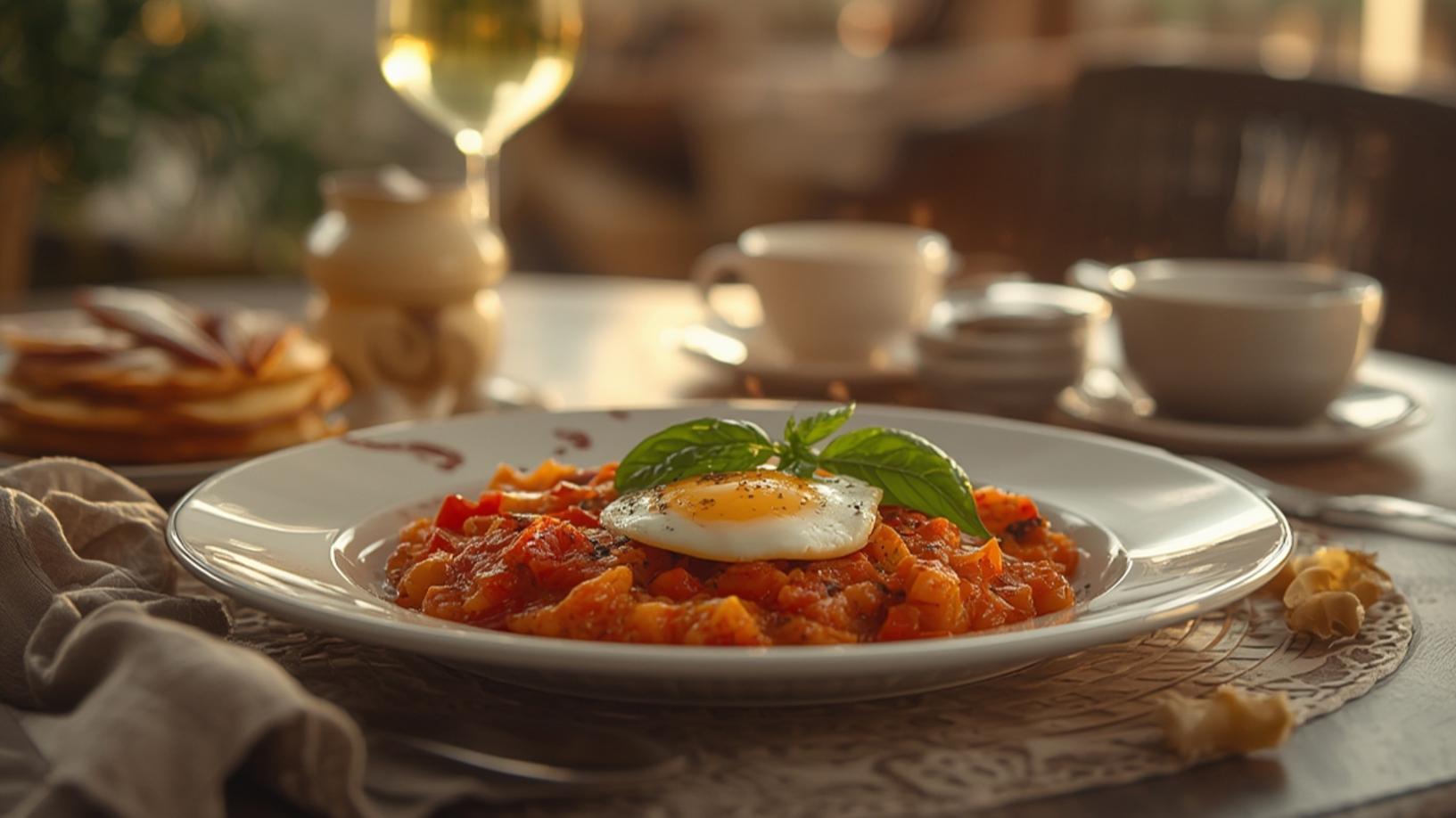
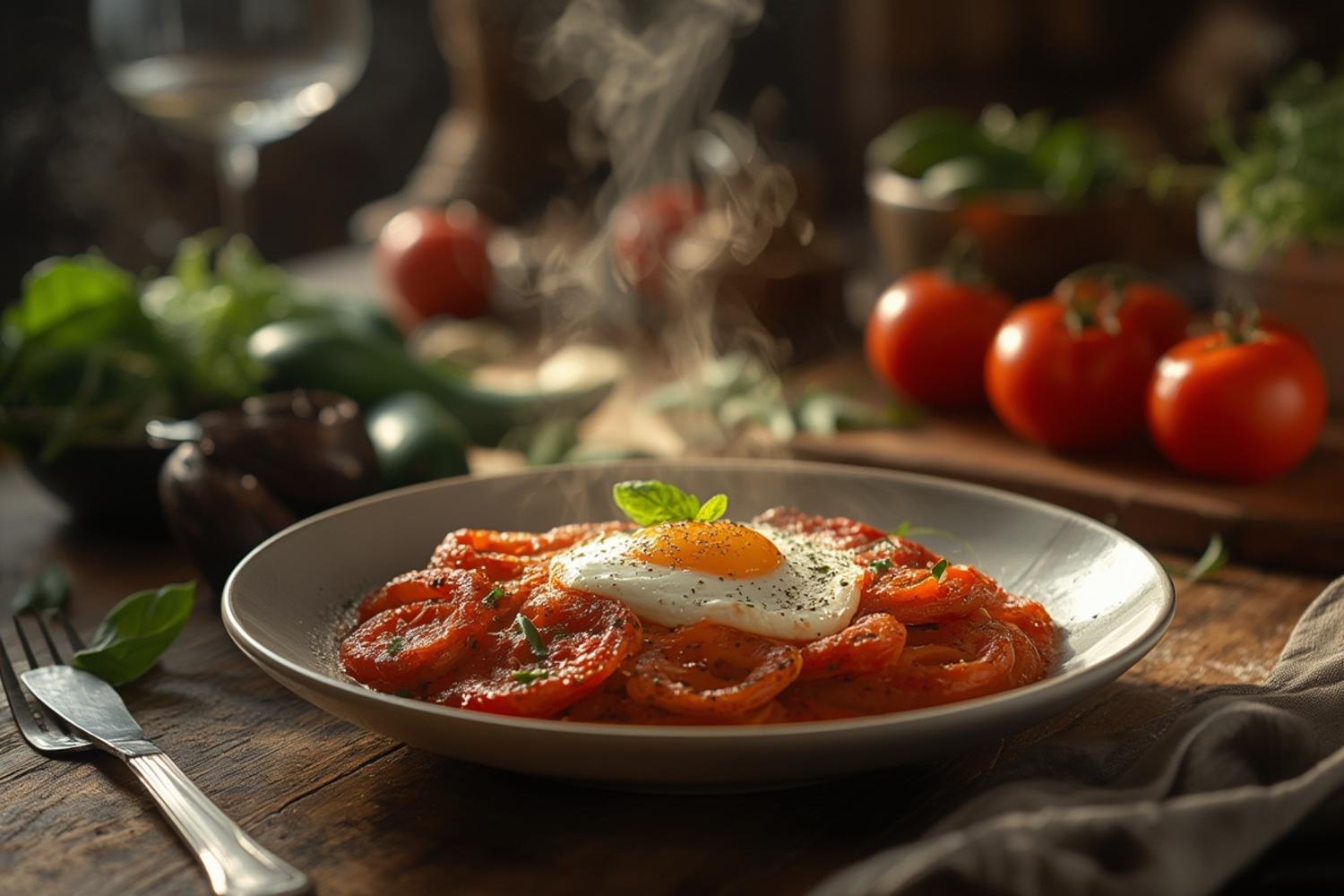
Meanwhile, heat olive oil in a small pan over medium heat. Add the cherry tomatoes cut-side down and cook without moving them for 2 minutes until they start to blister and collapse. Push them to the side, crack the eggs into the pan, and cook to your preference — sunny-side up keeps the yolk runny and saucy, which mingles beautifully with the tomato juice.
Lay the tomatoes on the garlic-rubbed toast, slide the egg on top, scatter a pinch of dried oregano, and finish with flaky sea salt. That’s it. Breakfast done in under 8 minutes.
Recipe 3: Home Cappuccino with a Moka Pot
Fill the bottom chamber of your Moka pot with cold water to just below the valve. Pack the filter basket with finely ground espresso — but don’t tamp it down the way you would with a machine. Just level it off. Assemble, set on medium heat, and wait for the gurgling sound that tells you the coffee is ready.
While the Moka pot works its magic, heat your milk in a small saucepan over medium-low heat until it steams (don’t boil it — that kills the sweetness). Use a milk frother or a mason jar with a tight lid to froth it. Pour the espresso into your cup first, then spoon the frothed milk over the top. Dust with a tiny bit of unsweetened cocoa powder if you like.
Drink it standing up, if you want the full Italian experience.
Expert Tips for the Best Results
Use the Best Eggs You Can Find
Eggs are the foundation of two of these three recipes. Genuinely good eggs — pasture-raised, local when possible — have deeper orange yolks and a richer flavor that makes a real difference in the final dish. According to USDA FoodData Central, pasture-raised eggs contain significantly more omega-3 fatty acids and fat-soluble vitamins than conventional eggs, which matters if you’re thinking about the overall nutrient profile of your breakfast.
Don’t Overbeat the Frittata Eggs
When I first started making frittata, I over-whisked everything trying to get it perfectly smooth. The result was a slightly rubbery texture — not terrible, but not right either. A proper frittata egg mixture should be well combined but not aerated. Whisk just until the yolks and whites are fully incorporated and the ricotta is broken down. Stop there.
Let Your Pan Do the Work
Cast iron holds heat evenly and transitions from stovetop to oven without complaint. If you don’t have cast iron, a stainless steel oven-safe skillet works fine — just avoid non-stick pans in the oven above 350°F, as the coating can degrade. The heavy bottom on cast iron also means your eggs cook more gently, reducing the chance of a tough, overcooked bottom crust.
Season Generously, Taste as You Go
Italian cooking at its best is about seasoning with confidence. Salt your eggs before cooking, not after. This allows the salt to fully integrate into the mixture rather than sitting on the surface. The Parmigiano adds additional saltiness, so taste your mixture before you add the full amount of sea salt and adjust accordingly.
Quality Olive Oil Is Non-Negotiable
My grandmother — who isn’t Italian but spent two years living in Florence in the 1970s — always said you can tell a good cook by the olive oil they keep on the counter. She wasn’t wrong. For cooking frittata and bruschetta, you want a grassy, slightly peppery extra-virgin olive oil. Save the fancy single-estate stuff for drizzling at the end; a solid mid-range option works fine for the actual cooking.
Variations and Substitutions
Dairy-Free Version
Replace the ricotta with a good-quality firm silken tofu that’s been drained and crumbled. It won’t have the same lactic tang, but it provides a similar creamy texture in the finished frittata. Skip the Parmigiano or use a plant-based hard cheese alternative — several Italian food producers now make very credible versions from almond or cashew bases. Use oat milk for the cappuccino; it froths reasonably well and has a naturally sweet flavor that works with espresso.
Higher-Protein Version
Add two extra egg whites to the frittata mixture, which boosts the protein content without significantly changing the flavor or texture. You can also fold in 2 ounces of diced turkey breast or cooked cannellini beans, which are a traditional Italian protein source. Cannellini beans in particular offer about 7-8 grams of protein per half cup alongside a solid fiber hit — a great way to stay fuller longer through the morning. This also makes the meal more aligned with the macronutrient balance recommended on Healthline’s protein intake guidance.
Gluten-Free Adaptation
The frittata is naturally gluten-free as written — no changes needed there. For the bruschetta, swap the pane di casa for a quality gluten-free sourdough loaf, ideally one made with a mix of rice flour and tapioca for the best crust. It won’t absorb the garlic rub quite the same way, but a halved raw garlic clove pressed firmly against a crisp surface still delivers plenty of flavor.
Make It a Sweet Breakfast
Not everyone wants savory in the morning. A simpler Italian sweet breakfast pairs a lightly sweetened ricotta — mixed with a drizzle of honey and a pinch of lemon zest — spread generously on toasted bread, topped with sliced fresh figs or blood oranges. This is common in southern Italy, particularly Sicily, and it requires zero cooking beyond toasting bread. It’s also a fantastic option if you’re meal-prepping ahead, since the sweetened ricotta keeps well in the fridge for up to three days.
Summer Zucchini Frittata
When late-summer zucchini is everywhere, swap the spinach for half a small zucchini that’s been grated and squeezed bone-dry in a clean kitchen towel. The moisture is the enemy here — if you skip the squeezing step, you’ll end up with a soggy center that never quite sets. Grated zucchini adds subtle sweetness and a beautiful flecked appearance to the finished frittata. Pair it with fresh basil instead of Parmigiano for a lighter, more summery result.
What to Serve With Your Italian Breakfast
The beauty of an Italian-style morning spread is that each component enhances the others without competing. The frittata is protein-forward and savory; the cappuccino is rich and slightly bitter; fresh orange juice cuts through both with bright acidity. That balance is the whole point.
If you’re serving a group, consider adding a small board with thinly sliced prosciutto crudo or bresaola alongside the frittata. Both are salt-cured without heavy spices, so they complement rather than overwhelm the egg flavors. A little bowl of mixed Sicilian olives adds a briny counterpoint that keeps things interesting across multiple bites.
For something heartier — say, a weekend brunch that needs to carry people through to a late lunch — serve the bruschetta alongside a simple arugula salad dressed with nothing more than olive oil, lemon juice, and flaky salt. The peppery arugula works with the richness of the egg in a way that feels deliberately designed, even though it takes about 90 seconds to assemble.
If you’re building a full brunch spread and want more inspiration, our guide to crowd-pleasing brunch recipes has some excellent additions that pair naturally with Italian flavors.
How to Store and Reheat
Refrigerator
Leftover frittata stores exceptionally well. Let it cool completely to room temperature — never store hot food directly in the fridge, as it raises the interior temperature and creates condensation that speeds up spoilage. Wrap individual wedges tightly in beeswax wrap or transfer them to an airtight glass container. Stored this way, frittata keeps beautifully in the refrigerator for up to 4 days.
The bruschetta components should be stored separately. Keep the sautéed tomatoes in a small sealed container in the fridge and reheat them just before serving. Pre-assembled bruschetta will go soggy within an hour, so always toast the bread fresh. The sweetened ricotta spread (if you made the variation) keeps for 3 days in a sealed jar.
Freezer
Frittata freezes surprisingly well for a recipe built on eggs. Cut it into individual wedges, place them on a parchment-lined tray, and freeze until solid — about 2 hours. Transfer to a zip-top freezer bag, pressing out as much air as possible. Properly frozen frittata holds its quality for up to 2 months. Label with the date; texture starts to degrade beyond that point as ice crystals disrupt the protein structure of the eggs.
The cappuccino and bruschetta components aren’t suitable for freezing. Coffee loses its aromatics rapidly after brewing, and tomatoes become watery when frozen and thawed. Make those fresh.
Reheating
The best way to reheat frittata is in a 325°F oven for about 10 minutes, uncovered, until warmed through. This preserves the texture far better than a microwave, which tends to make eggs rubbery and unpleasant. If you’re reheating from frozen, add an extra 5-7 minutes and check the center with your fingertip — it should feel warm, not cool.
In a genuine pinch, the microwave works at 50% power in 30-second intervals. Cover the wedge with a damp paper towel to retain moisture. It won’t be as good, but it’ll still be breakfast.
Nutritional Information
The complete Italian breakfast spread described here — one frittata wedge (a quarter of the recipe), one slice of egg bruschetta, and one cappuccino made with whole milk — provides a well-balanced start to the day. Here’s an approximate breakdown per person based on USDA data and standard recipe calculations.
| Nutrient | Frittata Wedge | Egg Bruschetta | Whole Milk Cappuccino | Total |
|---|---|---|---|---|
| Calories | 185 kcal | 220 kcal | 80 kcal | ~485 kcal |
| Protein | 14g | 10g | 4g | ~28g |
| Fat | 13g | 11g | 3g | ~27g |
| Carbohydrates | 4g | 22g | 6g | ~32g |
| Fiber | 1g | 2g | 0g | ~3g |
| Sodium | 310mg | 290mg | 65mg | ~665mg |
At roughly 28 grams of protein, this breakfast significantly exceeds what most typical continental breakfasts provide. Research published via Medical News Today on high-protein breakfasts suggests that morning meals with 25 or more grams of protein are linked to reduced hunger hormones and improved satiety across the rest of the day — which means you’re less likely to reach for a mid-morning snack an hour later.
The fat content here is predominantly monounsaturated, coming from the olive oil and egg yolks. This is consistent with the macronutrient profile encouraged by Mediterranean diet guidelines and is associated with favorable cholesterol profiles when consumed as part of a varied whole-food diet.
Bringing It All Together
What keeps me coming back to easy Italian breakfast recipes at home isn’t nostalgia — although that Bologna bar will always live rent-free in my memory. It’s the fact that these recipes genuinely deliver. They’re fast enough for weekday mornings, interesting enough to feel special, and grounded in ingredients that actually do your body good. A frittata made with good eggs and ricotta, a slice of bruschetta with blistered tomatoes and a runny yolk, a proper cappuccino from a Moka pot — that’s not a compromise breakfast. That’s a real one.
One thing I haven’t seen discussed much in other Italian breakfast guides is how well these dishes function as meal-prep anchors. Make the frittata on Sunday, store it in wedges, and you’ve got a protein-rich breakfast ready to grab all week. That’s a genuinely practical use of 25 minutes of weekend cooking that most “Italian breakfast” articles never mention — they focus only on the in-the-moment experience, not the everyday reality.
If you’re looking for more inspiration, exploring a wider range of quick Italian morning recipes from home cooks who live this tradition every day is a great next step. And on this site, our full guide to high-protein breakfast recipes has more ideas that pair naturally with the Italian approach.
Start tonight: mix your frittata egg base, refrigerate it covered overnight, and tomorrow morning all you need to do is pour it into a hot pan. That’s your first step into a very delicious daily ritual.
Frequently Asked Questions
What do Italians typically eat for breakfast at home?
Most Italians keep breakfast simple — an espresso or cappuccino, a cornetto (a croissant-like pastry), or a slice of bread with jam or honey. Savory options like frittata are more common in southern Italy and in rural homes with farm eggs available. Elaborate breakfasts are far more of a weekend thing than a daily habit.
Can I make these recipes ahead of time?
Absolutely. The ricotta frittata is a meal-prep all-star — bake it fully, cool it, slice it into wedges, and refrigerate for up to 4 days. The sweetened ricotta spread keeps for 3 days. For the bruschetta, prep the tomato topping ahead and toast fresh bread each morning for the best texture.
Is an Italian breakfast healthy?
A savory Italian breakfast built around eggs, olive oil, vegetables, and whole-grain bread aligns well with Mediterranean diet principles, which are consistently ranked among the most healthful eating patterns in peer-reviewed research. The key is ingredient quality and portion awareness — the traditional Italian approach of eating small amounts of excellent food naturally supports that balance.
What can I use instead of a Moka pot for the cappuccino?
A stovetop Moka pot is the most accessible tool, but a French press with finely ground coffee makes a strong brew that works as a cappuccino base. AeroPress is another option that produces a concentrated coffee similar to espresso. Instant espresso powder, while not ideal, works in a pinch — dissolve it in a small amount of hot water before frothing your milk over the top.
How do I prevent my frittata from turning rubbery?
Rubbery frittata usually comes from too-high heat or overcooking. Keep your stovetop on medium — not medium-high — for the initial setting phase, and don’t push past 375°F in the oven. Pull it out while the very center still has a faint jiggle; residual heat will finish the job. The ricotta in this recipe also acts as a buffer, adding moisture that keeps the texture soft even if timing is slightly off.
This article was AI-assisted and reviewed by the Tasty Meal Recipes editorial team.
About the Author — Tasty Meal Recipes Team — Food enthusiasts and certified nutrition advocates sharing tested recipes and evidence-based nutrition guides since 2023.