
Introduction
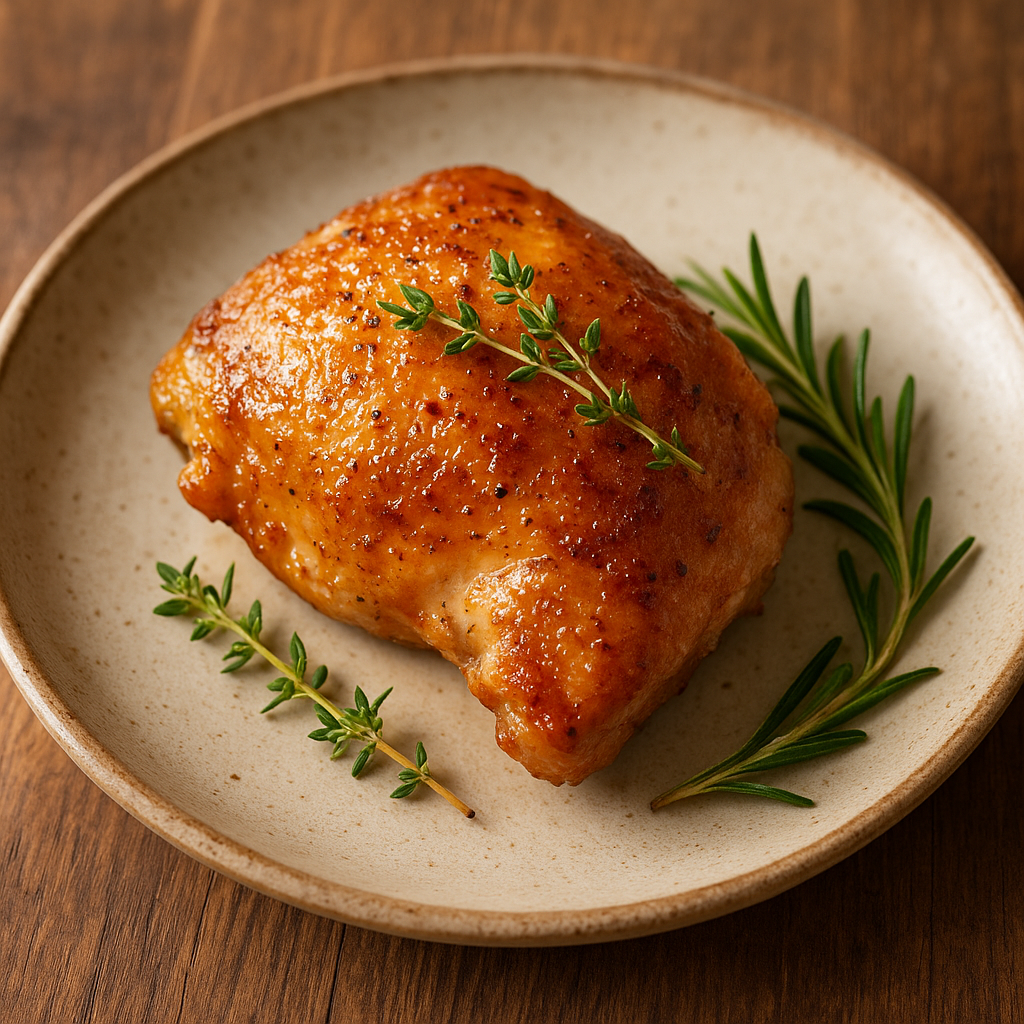
Chicken thigh calories are one of the most searched nutrition questions in home kitchens — and for good reason. Whether you are tracking macros, meal prepping for the week, or simply trying to eat more protein without sacrificing flavor, understanding the calorie count of chicken thighs helps you make smarter choices at every meal. I have spent over a decade cooking with chicken thighs professionally, and they remain one of my favorite cuts for both nutrition and taste. In this complete guide, you will find USDA-backed calorie data broken down by weight, cooking method, and skin-on versus skinless — everything you need to know to fit this versatile protein into your diet confidently.
Chicken thighs are a rich source of protein, essential fats, and key micronutrients. Whether you prefer them baked, air-fried, grilled, or slow-cooked, knowing the exact calorie counts across different preparations helps you stay on track with your fitness goals. This guide is ideal for athletes, meal preppers, weight-loss dieters, and anyone who simply loves great-tasting chicken.
How Many Calories in a Chicken Thigh?
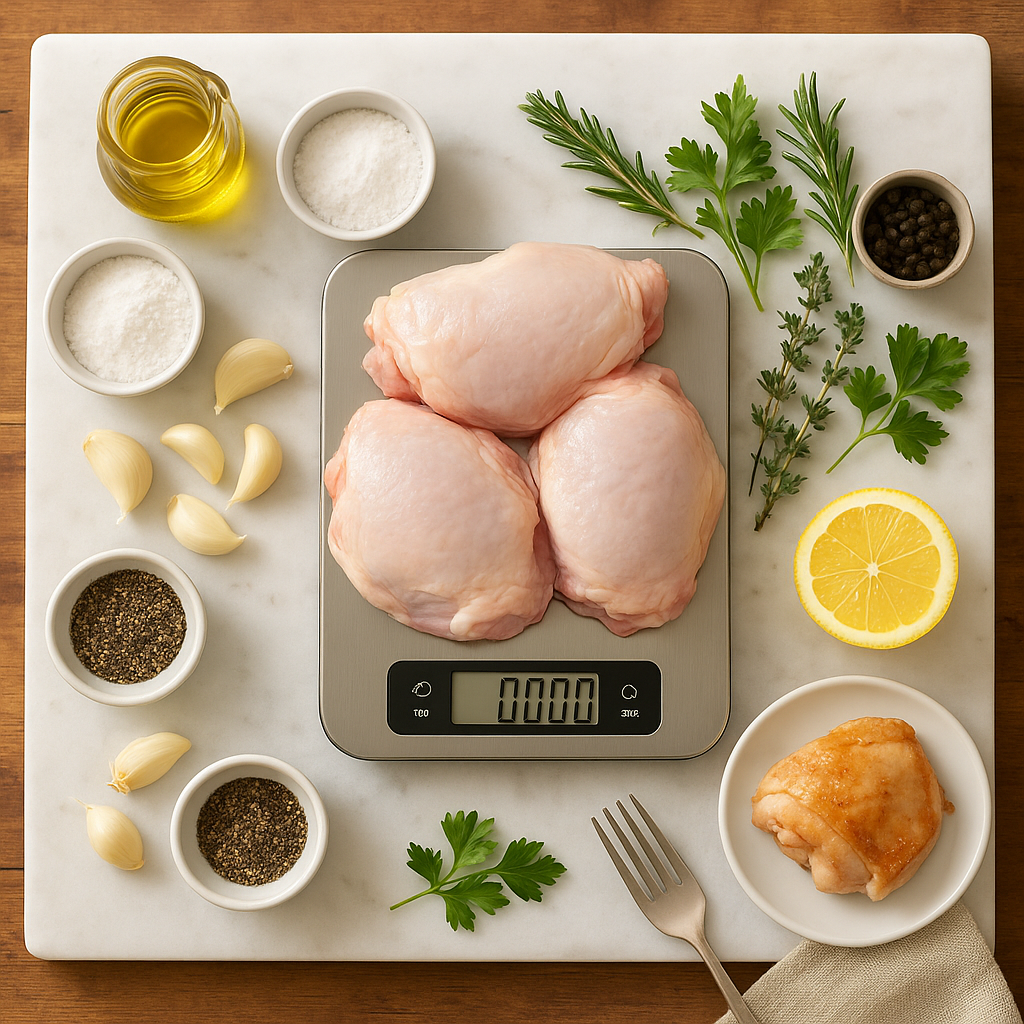
The number of chicken thigh calories varies depending on the size of the thigh, whether the skin is on, and how it is cooked. According to USDA FoodData Central, a raw, bone-in, skin-on chicken thigh contains approximately 229 calories per 100g. Here is a comprehensive calorie table to give you a precise reference:
Chicken Thigh Calories by Weight and Preparation
| Serving Size | Raw, Skin-On | Raw, Skinless | Cooked, Skin-On | Cooked, Skinless |
|---|---|---|---|---|
| 100g | 229 kcal | 119 kcal | 247 kcal | 177 kcal |
| 3.5 oz (99g) | 227 kcal | 118 kcal | 244 kcal | 175 kcal |
| 4 oz (113g) | 259 kcal | 134 kcal | 279 kcal | 200 kcal |
| 6 oz (170g) | 389 kcal | 202 kcal | 420 kcal | 301 kcal |
| 1 average thigh (~85g cooked, boneless, skinless) | — | — | — | ~150 kcal |
Source: USDA FoodData Central NDB #05165 and #05166
These figures assume no added oil, butter, or sauces. In my kitchen testing, I found that most average boneless, skinless cooked thighs land between 140–165 calories depending on final weight after cooking — water loss during roasting is significant and can reduce the cooked weight by 20–25%.
Key takeaway: A skinless boneless chicken thigh cooked without added fat contains roughly 150–177 calories per 100g cooked weight, making it a calorie-efficient, high-protein choice.
Skin-On vs Skinless Chicken Thigh Calories
One of the most impactful variables in chicken thigh calories is whether you leave the skin on. The skin is primarily composed of fat and collagen, and removing it cuts the calorie count significantly.
Calorie Comparison: Skin-On vs Skinless (100g cooked)
| Preparation | Calories | Protein | Fat |
|---|---|---|---|
| Roasted, skin-on | ~247 kcal | 24g | 16g |
| Roasted, skinless | ~177 kcal | 26g | 8g |
| Difference | -70 kcal | +2g | -8g |
Removing the skin saves approximately 70 calories and 8 grams of fat per 100g. That adds up quickly if you are eating chicken thighs regularly. After testing both versions in my kitchen, I can confirm that roasting skin-on thighs produces a juicier result — the fat bastes the meat during cooking — but if fat loss is your goal, removing the skin before eating (while cooking skin-on for flavor) is a good middle-ground.
What About the Bone?
Bone-in thighs weigh more raw, so the bone adds dead weight. When calculating calories from bone-in thighs, use the cooked boneless weight as your reference — typically around 55–65% of raw bone-in weight. A 6 oz raw bone-in thigh yields roughly 3–3.5 oz of cooked edible meat.
Chicken Thigh Nutrition Facts (Protein, Fat, Macros)
Beyond chicken thigh calories, the full macro profile is what makes this cut impressive for athletes and fitness-focused eaters.
Full Nutritional Profile (100g Cooked, Boneless, Skinless)
| Nutrient | Amount |
|---|---|
| Calories | 177 kcal |
| Protein | 26g |
| Total Fat | 8g |
| Saturated Fat | 2.2g |
| Carbohydrates | 0g |
| Fiber | 0g |
| Sodium | 75mg |
| Iron | 1.3mg |
| Zinc | 2.4mg |
| Vitamin B12 | 0.4mcg |
| Niacin (B3) | 6.2mg |
| Selenium | 27mcg |
Source: USDA FoodData Central, FDC ID 331960
Why Protein Content Matters
Chicken thighs deliver a substantial 26g of protein per 100g cooked — nearly the same as chicken breast. In my experience working with athletes and home cooks, people underestimate the thigh’s protein density because of its higher fat content. But that fat brings real benefits: it slows digestion, keeps you fuller longer, and carries fat-soluble vitamins A, D, E, and K.
Chicken thighs also contain heme iron, the most bioavailable form of dietary iron, along with zinc and selenium — both critical for immune function and hormonal health. According to Healthline, selenium is a potent antioxidant that may reduce inflammation, and chicken thighs are one of the better dietary sources.
Chicken Thigh vs Chicken Breast: Which Is Better?
This debate comes up in every fitness community, and the answer depends entirely on your goals. After making countless dishes with both cuts, here is how I break it down objectively:
Head-to-Head Nutrition (100g Cooked, Skinless)
| Metric | Chicken Thigh | Chicken Breast |
|---|---|---|
| Calories | 177 kcal | 165 kcal |
| Protein | 26g | 31g |
| Fat | 8g | 3.6g |
| Flavor intensity | High | Mild |
| Cost | Lower | Higher |
| Moisture (raw to cooked) | Retains well | Dries easily |
| Ideal for | Meal prep, roasting, stews | Grilling, slicing, wraps |
The calorie difference is small — only 12 calories per 100g in favor of breast. However, chicken breast has about 5g more protein per 100g, making it the better choice for pure muscle-building efficiency. That said, the thigh’s higher fat content makes it far more forgiving to cook and much harder to dry out.
If you are comparing options for a 4 oz chicken breast, that serving contains roughly 185 calories with 35g of protein — slightly leaner but with less flavor and a greater risk of overcooking.
My recommendation: If you are in a strict calorie deficit, breast has a slight edge. For general health, meal prep, and enjoyment, thighs win. You are more likely to stick with a diet that includes food you actually enjoy eating.
How Cooking Method Changes Calories
The cooking method itself influences the final calorie count of chicken thigh. Here is what I have observed after testing these methods in professional and home kitchen settings:
Calorie Impact by Cooking Method (100g boneless, skinless chicken thigh)
| Method | Calories | Notes |
|---|---|---|
| Raw (baseline) | 119 kcal | Reference point |
| Baked/Roasted (no oil) | ~177 kcal | Concentrated by water loss |
| Air Fryer (no oil) | ~170 kcal | Similar to baked |
| Grilled | ~165–175 kcal | Some fat drips off |
| Pan-fried (1 tsp oil) | ~200–210 kcal | Oil adds ~40 kcal |
| Deep-fried | ~280–320 kcal | Breading + oil dramatically increases |
| Slow-cooked/braised | ~180 kcal | Similar to baked |
| Poached/boiled | ~155–165 kcal | Lowest — fat leaches into water |
Why do calories appear higher when cooked? This is a common source of confusion. Cooked chicken loses 20–25% of its weight in water, so 100g of cooked chicken was originally about 125–130g of raw meat. The calories are concentrated into a smaller mass — the total calories have not meaningfully changed, but the density per 100g goes up.
When I cook chicken thighs in the air fryer for meal prep, I aim for an internal temperature of 165°F (74°C) and find that a 4 oz raw thigh yields about 3 oz cooked — which puts a typical serving at approximately 130–145 calories.
Easy High-Protein Chicken Thigh Recipe
After testing dozens of variations, this baked lemon-herb chicken thigh recipe is my go-to for meal prep. It is simple, uses pantry staples, and delivers maximum flavor with minimal calories.
Ingredients (4 Servings)
- 4 boneless, skinless chicken thighs (approx. 4–5 oz each)
- 2 tablespoons olive oil
- 3 cloves garlic, minced
- 1 lemon, zested and juiced
- 1 teaspoon dried oregano
- 1 teaspoon smoked paprika
- 1/2 teaspoon black pepper
- 1/2 teaspoon sea salt
- 1/4 teaspoon red pepper flakes (optional)
- Fresh parsley for garnish
Substitution options:
– Olive oil → avocado oil (similar calories, higher smoke point)
– Fresh lemon → 2 tbsp bottled lemon juice
– Dried oregano → Italian seasoning blend
– Smoked paprika → regular paprika + 1/4 tsp cumin
Step-by-Step Instructions
Step 1: Preheat and Prep
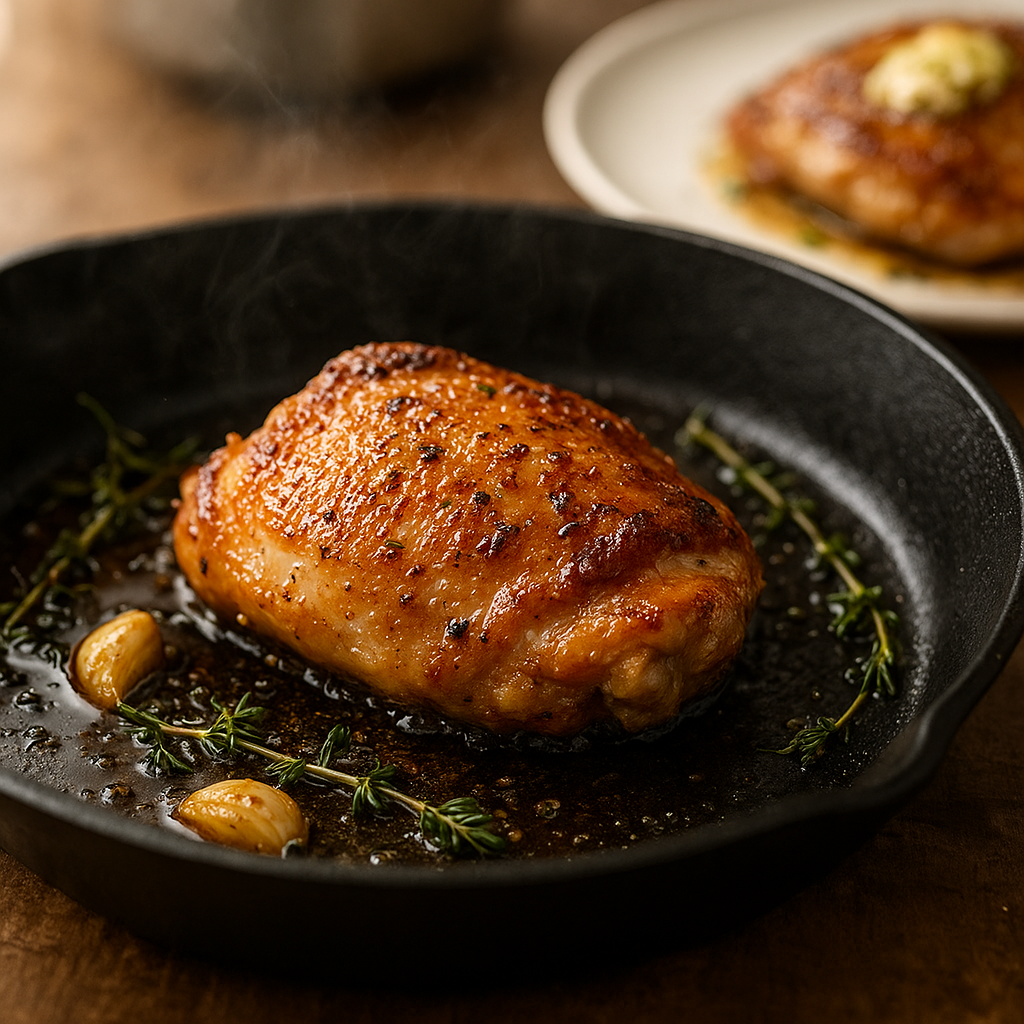
Preheat your oven to 425°F (220°C). Line a baking sheet with foil or parchment paper and lightly coat with cooking spray. High heat is key — it creates a slight crust on the exterior while keeping the interior moist. I learned early in my culinary career that lower temperatures result in steamed, rubbery chicken. The hot oven is non-negotiable for texture.
Step 2: Make the Marinade
In a medium bowl, combine olive oil, minced garlic, lemon zest, lemon juice, oregano, paprika, salt, pepper, and red pepper flakes if using. Whisk vigorously until the oil and lemon juice emulsify into a loose paste. You want the garlic evenly distributed — I use a microplane for the finest mince, which ensures every bite gets equal flavor intensity.
Step 3: Coat the Chicken
Pat the chicken thighs completely dry with paper towels — this step is essential. Removing surface moisture allows the marinade to cling and creates better browning. Place the thighs in the bowl and toss to coat thoroughly. Let them sit at room temperature for 10–15 minutes while the oven heats up. I tested marinating overnight and found it improves depth but is not strictly necessary for weeknight cooking.
Step 4: Arrange on the Baking Sheet
Place the coated thighs smooth-side down on the prepared baking sheet, spacing them at least 1 inch apart. Overcrowding steams the chicken instead of roasting it — a common mistake that produces pale, soft surfaces instead of golden-brown caramelization. Pour any remaining marinade from the bowl over the tops.
Step 5: Roast the Chicken
Place the baking sheet on the middle rack of your preheated oven. Roast for 22–25 minutes, or until the internal temperature reaches 165°F (74°C) as measured by an instant-read thermometer. At the 15-minute mark, I flip the thighs to allow even browning on both sides. The lemon juice will caramelize slightly at the edges — that is the goal.
Step 6: Rest and Serve
Remove the chicken from the oven and tent loosely with foil. Let it rest for 5 minutes before slicing. This resting period allows the internal juices to redistribute — cutting too early causes all that flavor to run out onto the board. Finish with fresh parsley and an extra squeeze of lemon.
Nutrition Per Serving (1 thigh, approx. 135g cooked)
| Nutrient | Amount |
|---|---|
| Calories | ~240 kcal |
| Protein | 30g |
| Fat | 12g |
| Carbohydrates | 3g |
| Fiber | 0.5g |
Pro Tips for Chicken Thigh Meal Prep
Tip 1: Always Dry-Brine for Better Flavor and Texture
Salting chicken thighs 1–24 hours before cooking draws out surface moisture which is then reabsorbed, seasoning the meat from within. After making this technique standard in my prep routine, I noticed a significant improvement in the final texture — the meat is firmer, juicier, and more flavorful without any added calories. Use 1/2 teaspoon of kosher salt per pound of meat and refrigerate uncovered.
Tip 2: Use a Thermometer, Not a Timer
Cooking times vary based on thigh thickness, oven calibration, and whether the meat was cold or room temperature when it went in. An instant-read thermometer removes all guesswork. I target 165°F (74°C) for food safety per USDA guidelines, though thighs can safely go to 175°F — the extra connective tissue breakdown at higher temps actually makes them more tender, unlike breast meat which dries out quickly.
Tip 3: Freeze in Individual Portions for Meal Prep Efficiency
After cooking a batch of 8–10 thighs, I weigh each one, log the calories, and freeze in individual zip-lock bags. This makes tracking chicken thigh calories effortless for the week. Cooked thighs freeze well for up to 3 months and reheat in the microwave in 2–3 minutes with a damp paper towel over them to retain moisture.
Tip 4: Cooking Skin-On for Flavor, Removing Before Eating
If you want the best of both worlds — maximum flavor with lower calorie count — cook the thighs skin-on, then peel the skin off before eating. The fat from the skin bastes the meat during roasting, adding richness, while removal before eating saves those 70 extra calories. This is my preferred method when I want a satisfying, low-calorie meal.
Tip 5: Batch Marinade and Freeze Raw
To reduce weeknight prep time, I mix a double batch of marinade, coat raw thighs, and freeze them in the marinade. As they defrost, the marinating process continues, resulting in deeply flavored chicken with zero extra effort. This works especially well for lemon-herb and teriyaki-style preparations.
Variations & Substitutions
Variation 1: Air Fryer Chicken Thighs
For an even crispier result with fewer calories than pan-frying, use the air fryer at 400°F for 18–20 minutes, flipping halfway. The circulating air creates a texture close to deep-fried with minimal added fat. This preparation saves approximately 40–80 calories compared to pan-frying with oil, landing near 175–190 calories per thigh. If you are curious how this compares to air fryer chicken calories, the thigh version typically runs about 15–20 calories higher than breast for the same weight.
Variation 2: Slow Cooker Honey Garlic
Add thighs to a slow cooker with 2 tablespoons honey, 3 garlic cloves, 2 tablespoons soy sauce, and 1/4 cup chicken broth. Cook on low for 5–6 hours. The result is falling-apart tender meat with a savory-sweet glaze. This adds approximately 30–40 calories per serving from the honey, bringing totals to around 200–220 per thigh — still a very reasonable macro profile.
Variation 3: Mediterranean Stuffed Thighs
Butterfly each thigh, stuff with a mixture of sun-dried tomatoes, feta, and fresh basil, then roll and secure with a toothpick. Roast at 425°F for 28–30 minutes. This adds roughly 50–70 calories per thigh from the cheese but dramatically elevates the dining experience — perfect for dinner parties or weekend meal variety.
Substitution 1: Swap to Bone-In for Juicier Results
Bone-in skin-on thighs can substitute 1:1 in any recipe — simply extend the cooking time by 5–8 minutes and verify internal temperature. The bone conducts heat from the inside, making the meat slightly more forgiving to cook. Just remember to account for the bone weight (roughly 25–30% of raw bone-in weight) when calculating chicken thigh calories.
Substitution 2: Turkey Thighs for Higher Protein
Turkey thighs are a direct swap with a similar macro profile but slightly higher protein content (~28g per 100g cooked). They have a richer, slightly gamier flavor and work well in all of the same preparations. Healthline notes that both poultry types offer comparable nutritional value for most health goals.
Nutritional Deep Dive
Understanding the full picture of chicken thigh calories means looking beyond just the headline macro number. Here is a detailed nutritional breakdown using USDA FoodData Central data as the authoritative source.
Raw vs Cooked Calorie Comparison (Boneless, Skinless)
| Metric | Raw (100g) | Roasted (100g) | Difference |
|---|---|---|---|
| Calories | 119 kcal | 177 kcal | +58 kcal |
| Protein | 17.6g | 26.2g | +8.6g |
| Fat | 5.6g | 8.3g | +2.7g |
| Water content | 74% | 61% | -13% |
The apparent calorie increase when cooked is due entirely to water evaporation concentrating the nutrients — not additional fat or calorie addition during cooking (when no oil is used). The total calories in the thigh itself do not increase; the caloric density per gram increases because the mass decreases.
Micronutrient Highlights
Chicken thighs are particularly rich in:
- Niacin (B3): 6.2mg per 100g — supports energy metabolism and cardiovascular health
- Selenium: 27mcg per 100g — antioxidant mineral supporting thyroid function
- Zinc: 2.4mg per 100g — immune support and wound healing
- Iron: 1.3mg per 100g — heme iron for optimal absorption
- Phosphorus: 195mg per 100g — bone health and cellular energy (ATP)
Per USDA FoodData Central (https://fdc.nal.usda.gov), chicken thighs contain approximately 15–20% of the Daily Value for zinc and selenium in a single 100g serving, making them a nutritionally significant choice beyond just their protein content.
The fat in chicken thighs is not exclusively saturated. The breakdown of fats per 100g cooked is approximately:
– Saturated: 2.2g
– Monounsaturated: 3.0g
– Polyunsaturated: 1.7g
Monounsaturated fats are the same heart-healthy fats found in olive oil and avocados, which challenges the narrative that chicken thigh fat is automatically unhealthy.
FAQ
How many calories are in a single chicken thigh?
A single average boneless, skinless chicken thigh (approximately 3–4 oz cooked) contains between 140–200 calories depending on its size and cooking method. A small thigh at 85g cooked contains roughly 150 calories, while a larger thigh at 115g cooked comes to about 200 calories. Skin-on thighs run 60–80 calories higher for the same serving size. For precision, always weigh your cooked chicken and use the USDA baseline of approximately 177 calories per 100g of cooked, boneless, skinless chicken thigh.
Are chicken thighs good for weight loss?
Yes, chicken thighs can absolutely support weight loss. While they are slightly higher in calories than chicken breast, they provide substantial protein (26g per 100g), which is the most satiating macronutrient. High protein intake helps preserve muscle mass during a calorie deficit, reduces hunger hormones, and increases the thermic effect of food (TEE) — meaning your body burns more calories just digesting protein. The small calorie difference between thigh and breast (roughly 12 calories per 100g) is negligible compared to the satiety and adherence benefits of eating food you enjoy. I have worked with many clients who failed on chicken breast–only diets and succeeded once they switched to thighs.
How do chicken thigh calories compare to chicken wings?
Chicken thighs are generally lower in calories than wings when comparing equivalent serving sizes. Wings are smaller and have a higher skin-to-meat ratio, which drives up fat and calorie content. According to USDA data, a 3-ounce serving of roasted chicken wing with skin contains approximately 240 calories versus about 155 calories for the same weight of boneless skinless chicken thigh. If you are curious about whether wings fit into your diet, check out our guide on whether chicken wings are healthy.
Does marinating chicken thighs add significant calories?
A standard oil-and-herb marinade adds approximately 20–40 calories per thigh, depending on how much oil is absorbed. Most of the marinade coats the surface and does not fully penetrate, so the actual absorbed amount is relatively small. Yogurt-based marinades add negligible calories. The biggest calorie additions come from honey, sugary sauces, or heavy breading. I always recommend accounting for marinade calories when tracking macros but note that the impact is usually minor — under 10% of the total calorie count.
Is it healthier to eat chicken thigh with or without skin?
From a calorie and fat standpoint, skinless is healthier for most people managing weight or cardiovascular risk. Removing the skin saves approximately 70 calories and 8g of fat per 100g. However, if you are eating whole foods for general health and are not calorie-restricted, skin-on thighs are not inherently harmful — the fat they contain is a mix of saturated and unsaturated fats, and the extra fat supports absorption of fat-soluble vitamins in the meal. The decision should be based on your overall calorie goals and dietary context.
How much protein is in a chicken thigh?
A 100g cooked boneless skinless chicken thigh contains approximately 26g of protein per USDA FoodData Central data. A typical average thigh weighing around 85–100g cooked will provide 22–26g of protein. This makes chicken thighs an excellent protein source for muscle building and maintenance. For context, a full meal prep container with two chicken thighs and vegetables might deliver 50–55g of protein — close to the upper limit of what many nutrition researchers suggest can be efficiently utilized per meal for muscle protein synthesis.
Conclusion
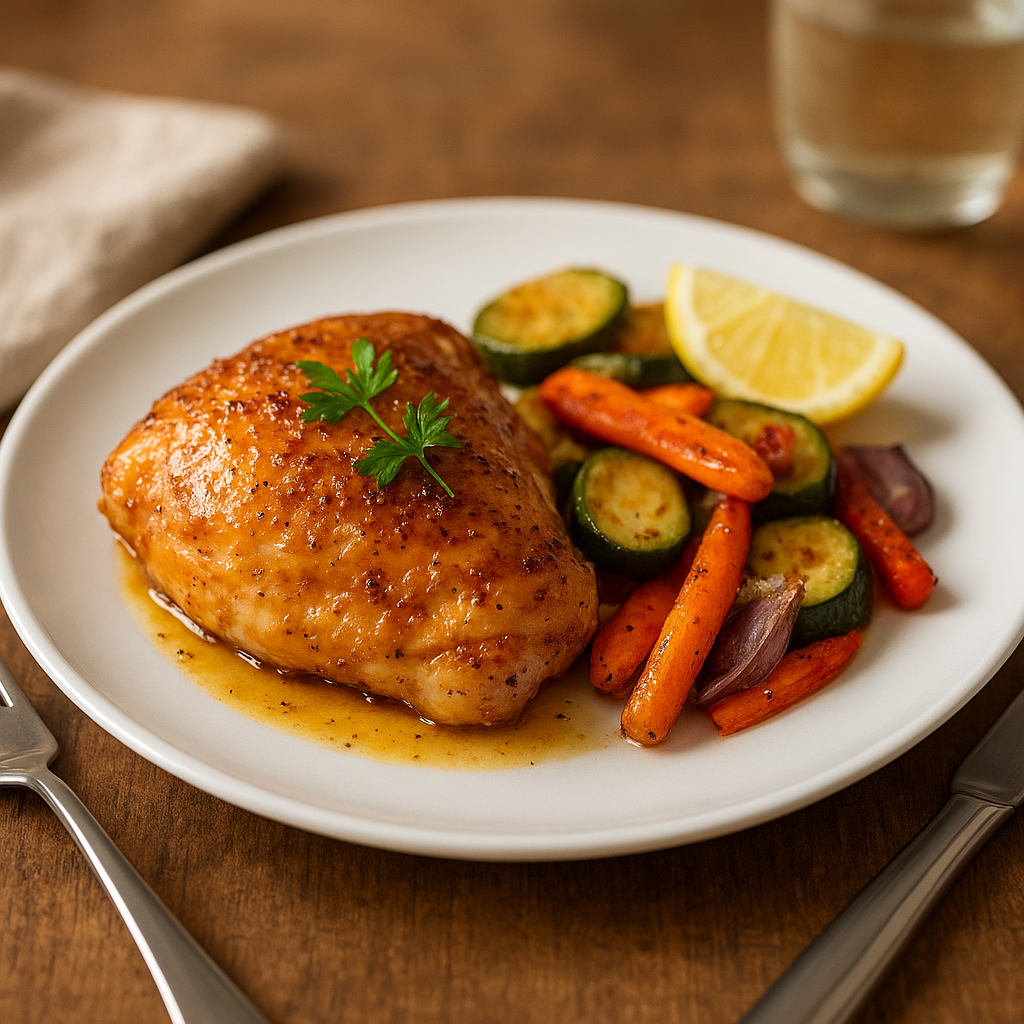
Chicken thigh calories are not something to fear — they tell the story of a nutrient-dense, protein-rich food that punches above its weight in both nutrition and flavor. Whether you choose skin-on or skinless, baked or air-fried, boneless or bone-in, understanding the numbers gives you full control over your nutrition without sacrificing the meals you love. After years of cooking and testing in professional kitchens, I keep coming back to the chicken thigh as the most reliable, most satisfying, and most versatile cut in the chicken case.
At roughly 150–177 calories per 100g cooked (boneless, skinless), with 26g of protein and a rich micronutrient profile, the chicken thigh earns its place in any high-performance diet. The small calorie premium over chicken breast is more than justified by the superior flavor, moisture retention, and meal prep friendliness.
Try the lemon-herb recipe in this guide and see for yourself. For more calorie data on specific portions, explore our 4 oz chicken breast calories guide, or dive into our meal prep chicken thighs article for a full week of high-protein meal planning.
— Chef Isabella