
If you’ve ever tracked macros or followed a high-protein diet, you’ve probably asked: how many grilled chicken calories am I actually eating? It’s one of the most searched nutrition questions for a reason — grilled chicken is a staple of healthy eating, but the calorie count varies significantly depending on the cut, weight, skin-on vs. skinless, and what you put on it before it hits the grates.
I’ve been grilling chicken professionally for over a decade, and I still reference USDA data every time I build a new meal plan for clients. The truth is, a skinless grilled chicken breast and a bone-in, skin-on grilled thigh are almost in different nutritional categories. Getting this right matters whether you’re cutting weight, building muscle, or simply trying to eat smarter.
In this guide, I’ll break down grilled chicken calories by every major cut and serving size — with real numbers from USDA FoodData Central — plus practical tips for grilling lean and clean without sacrificing flavor.
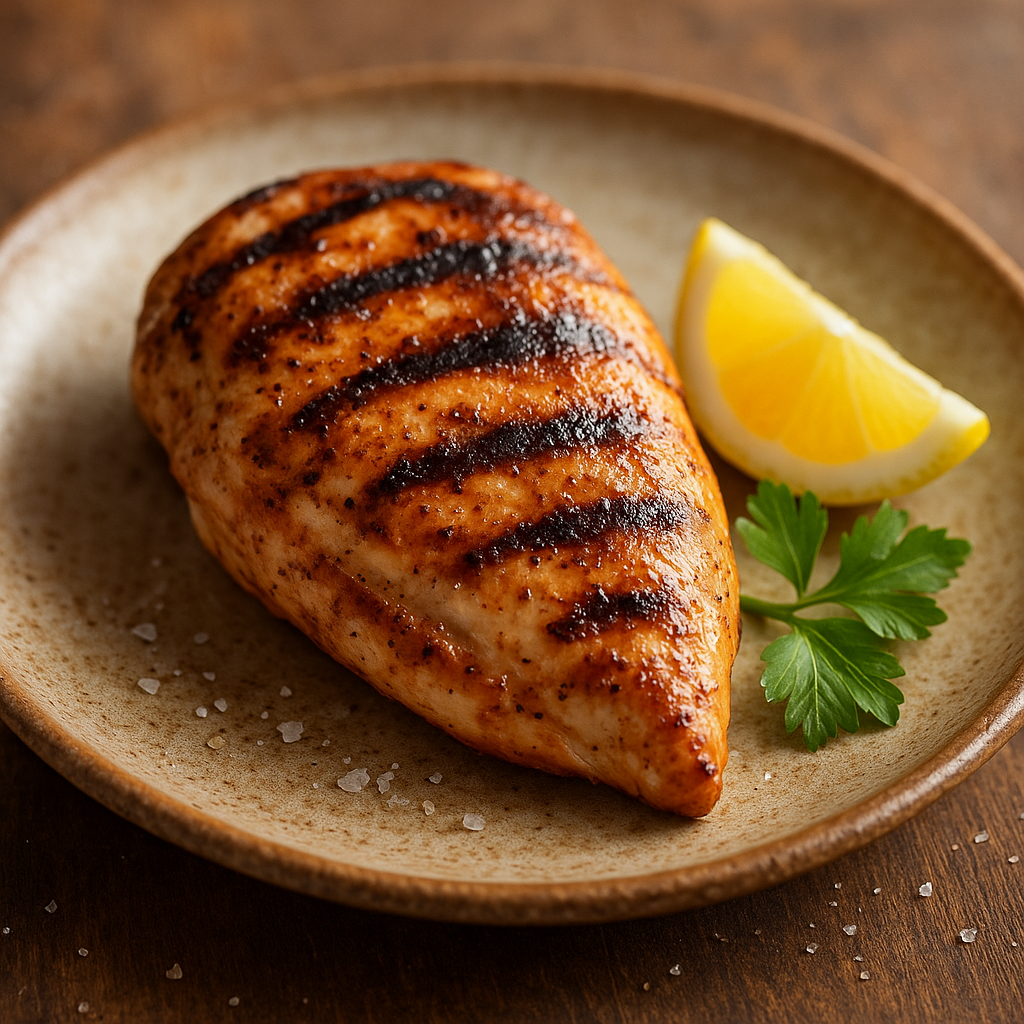
How Many Calories in Grilled Chicken? (Overview + Quick Reference Table)
The short answer: grilled chicken ranges from roughly 110 to 300 calories per 100g, depending on the cut and whether the skin is included. Below is a quick-reference table you can bookmark for meal prep and macro tracking.
| Cut | Serving Size | Calories | Protein | Fat | Carbs |
|---|---|---|---|---|---|
| Skinless breast (grilled) | 100g | 165 kcal | 31g | 3.6g | 0g |
| Skinless breast (grilled) | 1 medium (174g) | 287 kcal | 54g | 6.2g | 0g |
| Skin-on breast (grilled) | 100g | 197 kcal | 29g | 8.5g | 0g |
| Skinless thigh (grilled) | 100g | 209 kcal | 26g | 11g | 0g |
| Skin-on thigh (grilled) | 100g | 247 kcal | 24g | 16g | 0g |
| Drumstick, skinless (grilled) | 100g | 175 kcal | 28g | 6.5g | 0g |
| Drumstick, skin-on (grilled) | 100g | 216 kcal | 26g | 12g | 0g |
| Wing, with skin (grilled) | 100g | 290 kcal | 27g | 19g | 0g |
| Wing, skinless (grilled) | 100g | 203 kcal | 30g | 9g | 0g |
Data sourced from USDA FoodData Central
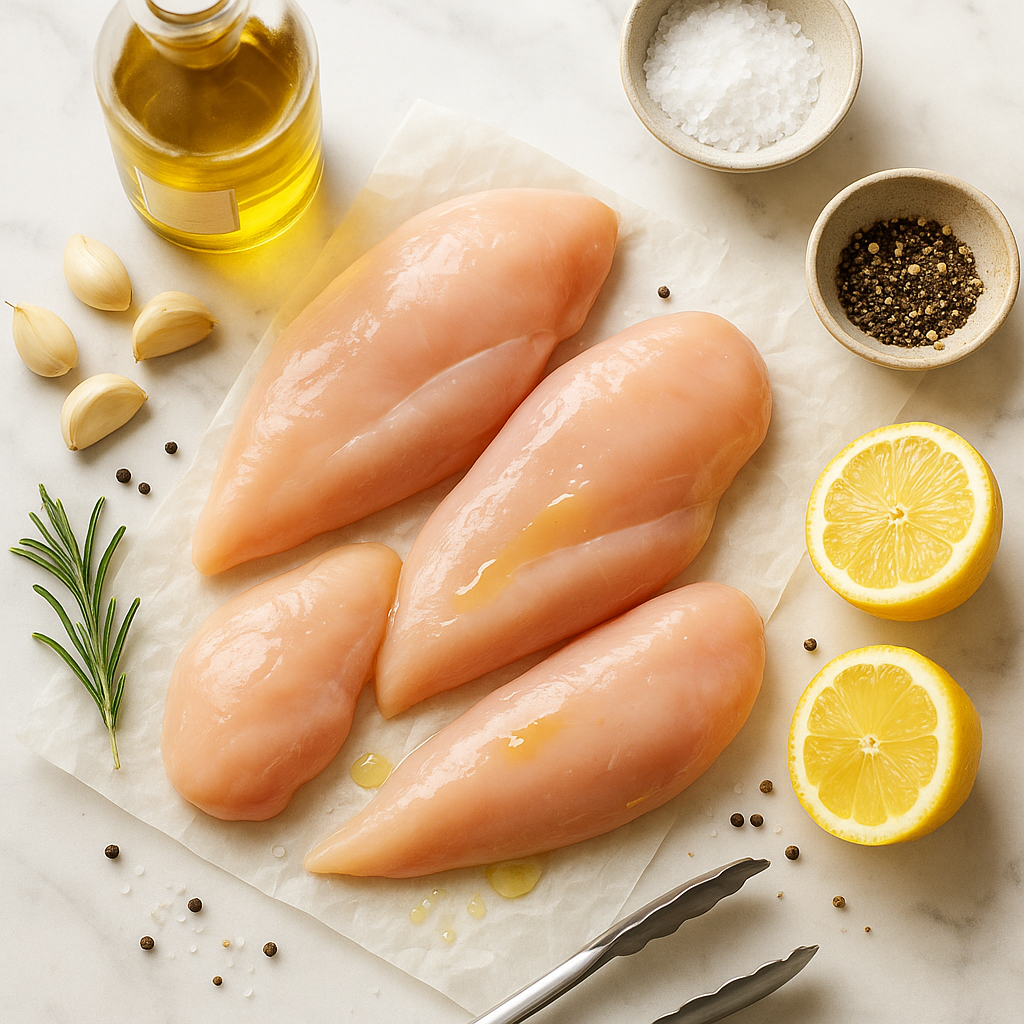
Grilled Chicken Breast Calories (Per Piece, Per 100g)
Grilled chicken breast is the undisputed king of lean protein. A 100g serving of skinless grilled chicken breast contains approximately 165 calories, with a staggering 31g of protein and only 3.6g of fat.
Per 100g (skinless, grilled):
- Calories: 165 kcal
- Protein: 31g
- Fat: 3.6g
- Carbohydrates: 0g
- Sodium: ~74mg
Per piece (average medium breast, 174g cooked):
- Calories: ~287 kcal
- Protein: ~54g
- Fat: ~6.2g
After grilling hundreds of chicken breasts for meal prep clients, I’ve noticed that most people significantly underestimate portion size. A typical supermarket chicken breast weighs between 170–220g raw, which after a 20–25% cooking loss lands at roughly 130–170g cooked — closer to 215–280 calories per breast.
For detailed protein content comparisons across chicken cuts, check out our guide to chicken breast high-protein nutrition.
Grilled Chicken Thigh Calories
Chicken thighs are a fantastic muscle-building food — more forgiving on the grill than breasts. The higher fat content makes them more flavorful and harder to dry out.
| Preparation | Per 100g | Calories | Protein | Fat |
|---|---|---|---|---|
| Skinless thigh (grilled) | 100g | 209 kcal | 26g | 11g |
| Skin-on thigh (grilled) | 100g | 247 kcal | 24g | 16g |
| Boneless thigh (~85g cooked) | per piece | ~178 kcal | ~22g | — |
Thighs shine in meal prep because of their higher fat content — they reheat beautifully without drying out. See our full meal prep chicken thighs guide for more details.
Grilled Chicken Wing & Drumstick Calories
Grilled Chicken Wing Calories
- Per 100g (with skin, grilled): 290 kcal, 27g protein, 19g fat
- Per wing (average, ~34g edible meat): ~99 kcal, ~9g protein
Wings are the fattiest cut because the skin-to-meat ratio is so high. A 6-wing serving lands around 590 calories before any sauce. Add BBQ sauce and you’re near 770 calories for what seems like a light snack.
Grilled Drumstick Calories
- Per 100g skinless drumstick (grilled): 175 kcal, 28g protein, 6.5g fat
- Per drumstick (average, ~95g edible meat, skinless): ~166 kcal, ~27g protein
Drumsticks are a hidden gem for lean eating. A two-drumstick serving (skinless, no sauce) comes in around 330 calories with 54g of protein. Compare oven vs. grill in our air fryer chicken calories breakdown.
Does Grilling Add Calories? (Marinade & Oil Impact)
Grilling itself adds zero calories. The grill is just heat. What adds calories are the ingredients you apply before, during, and after cooking.
| Marinade Type | Calories Added Per 100g Chicken | Notes |
|---|---|---|
| Lemon + herbs + salt | ~5–10 kcal | Negligible, mostly water weight |
| Olive oil-based (1 tbsp per breast) | +119 kcal | Oil is the major variable |
| Teriyaki sauce (2 tbsp) | +35–50 kcal | Plus ~8g sugar/carbs |
| BBQ sauce (2 tbsp) | +50–60 kcal | Plus ~12g sugar/carbs |
| Yogurt marinade (3 tbsp) | +30 kcal | Lower fat option |
| Butter baste (1 tbsp) | +102 kcal | Adds richness, big calorie hit |
Oil is the single biggest calorie variable in grilling. One tablespoon of olive oil adds 119 calories. For the leanest possible grilled chicken, use a minimal oil spray (~5 calories), choose acid-based marinades, and add herbs and spices freely.
Grilled Chicken Nutrition: Protein, Fat & Macros
| Nutrient | Breast | Thigh | Drumstick | Wing |
|---|---|---|---|---|
| Calories | 165 kcal | 209 kcal | 175 kcal | 203 kcal |
| Protein | 31g | 26g | 28g | 30g |
| Total Fat | 3.6g | 11g | 6.5g | 9g |
| Saturated Fat | 1g | 3g | 1.8g | 2.5g |
| Cholesterol | 85mg | 93mg | 93mg | 99mg |
| Sodium | 74mg | 105mg | 89mg | 82mg |
| Potassium | 256mg | 220mg | 240mg | 218mg |
| Niacin (B3) | 13.7mg | 7.6mg | 7.4mg | 10.1mg |
Source: USDA FoodData Central, FDC IDs: 171477 (breast), 171488 (thigh), 171487 (drumstick)
How to Grill Chicken for Maximum Protein, Minimum Calories
The biggest mistake people make when grilling chicken for health is using too much fat in the marinade or overcooking and smothering with sauce to compensate. Here is my tested 10-step protocol for lean, high-protein results:
- Choose the Right Cut — Start with skinless, boneless chicken breasts or thighs. Breasts are leanest; thighs offer more margin for error.
- Brine Before You Grill — A 30-minute brine in 4 cups water + 2 tbsp kosher salt improves moisture retention dramatically. Less oil needed.
- Use a Calorie-Smart Marinade — Lemon juice, garlic, fresh herbs, and just ½ tsp olive oil per breast adds under 15 calories.
- Preheat Your Grill Properly — Preheat to 400–425°F for at least 10 minutes. A hot grill creates the Maillard reaction quickly without requiring oil.
- Oil the Grates, Not the Chicken — Dip a paper towel in neutral oil, rub across grates with tongs. Uses roughly 1/8 tsp of oil total — ~5 calories shared across 4 pieces.
- Grill Without Touching — For a medium breast (170g), grill 6–7 minutes per side. For thighs, 7–8 minutes per side. Do not press down on the chicken.
- Use a Meat Thermometer — USDA recommends 165°F (74°C). Pull breasts at 160°F; they continue cooking during rest.
- Rest Before Slicing — Rest 3–5 minutes to allow juices to redistribute. Zero-calorie flavor upgrade.
- Slice Against the Grain — Cut across muscle fibers for a more tender bite. Makes lean chicken more enjoyable without sauces.
- Season at the Table — A final pinch of flaky salt and squeeze of lemon brightens flavor for ~0–2 kcal. Less sauce needed.
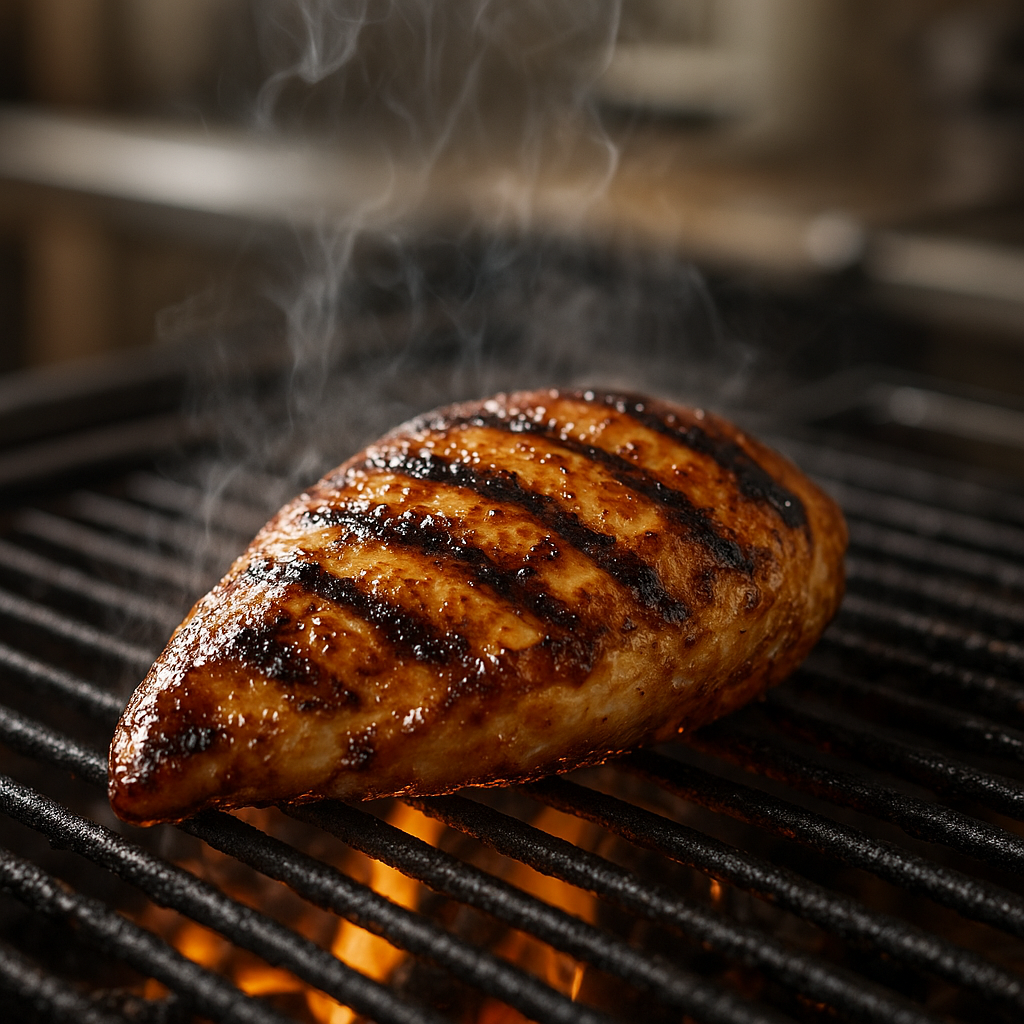
Pro Tips for Grilling Lean Chicken
- Pound breasts to even thickness before grilling. Use a ziplock bag and rolling pin. Even thickness = no overcooked dry sections = no calorie-heavy sauces needed.
- Freeze leftover grilled chicken in individual portions. Weigh each piece, label bags with calorie count, and freeze flat. Reheat from frozen at 325°F in a covered dish for 20 minutes.
- Skip the store-bought marinade. Most are loaded with sugar, salt, and cheap vegetable oils. Make a simple homemade dry herb blend (lemon zest, garlic powder, dried oregano, black pepper).
- Two-zone grilling for thicker cuts. Sear on high heat (2–3 minutes per side) then move to lower heat to finish. Reduces need for multiple oil applications.
- Track only the marinade you actually absorb. Only 10–30% of a wet marinade is absorbed — the rest stays in the bowl. Count 15–20% of the marinade’s caloric content as consumed.
Variations & Substitutions
Variation 1: Lemon-Herb Grilled Chicken (Lowest Calorie Version)
Marinate skinless breasts in lemon juice, minced garlic, fresh thyme, and a pinch of salt. No oil required. This version adds virtually zero extra calories — making a medium breast approximately 285–290 calories total. My go-to for clients in a cutting phase.
Variation 2: Spiced Yogurt Grilled Chicken (Mediterranean Style)
Plain low-fat Greek yogurt (3 tbsp per breast), lemon zest, cumin, coriander, smoked paprika, and garlic. The yogurt tenderizes and adds only ~30 calories. Especially good for thighs.
Variation 3: Teriyaki Grilled Chicken (Tracked Carefully)
Homemade teriyaki (soy sauce, mirin, small amount of honey, ginger) adds approximately 40–60 calories per breast when used as a thin glaze in the last 3 minutes. Store-bought can add double — always read the label.
Substitution: Turkey Breast for Chicken Breast
Grilled turkey breast is nutritionally near-identical — approximately 135–145 kcal per 100g, with 30g protein. A useful swap for variety. Turkey tends to be slightly drier, so the brine step is even more important.
Nutritional Deep Dive
Raw vs. Cooked Values: Why They Differ
| Nutrient | Raw (per 100g) | Grilled/Cooked (per 100g) | Why it changes |
|---|---|---|---|
| Calories | 120 kcal | 165 kcal | Moisture loss concentrates macros |
| Protein | 22g | 31g | Same protein, less water weight |
| Total Fat | 2.5g | 3.6g | Some fat lost, concentration effect |
| Water | 74g | 60g | ~20% moisture loss during grilling |
Critical insight: If your food scale weighs cooked chicken, use cooked values. If you weigh raw, use raw values. Mixing these results in a 37–38% undercount of calories per 100g. Log consistently with one approach.
FAQ
How many calories are in a typical grilled chicken meal?
A typical grilled chicken meal (one medium skinless breast, 174g cooked) contains approximately 285–300 calories from the chicken alone. Add a serving of roasted vegetables (~80 kcal), a side of rice (~200 kcal for ½ cup cooked), and a drizzle of olive oil (~60 kcal), and the total meal reaches around 625–640 calories. In a cutting phase, swap white rice for cauliflower rice to bring the same meal under 450 calories.
Does grilled chicken have more or fewer calories than fried chicken?
Significantly fewer. A 100g portion of traditional fried chicken (with breading and skin) contains approximately 260–290 calories, compared to 165 calories for skinless grilled chicken breast. The coating absorbs substantial frying oil. However, the calorie gap narrows if you use large amounts of oil-based marinade on your grilled chicken.
Is grilled chicken good for weight loss?
Yes. Grilled chicken is consistently regarded as one of the most effective foods for weight loss, according to Healthline. It’s high in protein (which increases satiety and supports muscle retention during a caloric deficit), low in calories, and virtually carb-free. The key is keeping the marinade and side dishes calorie-controlled.
How does skin affect the calorie count of grilled chicken?
The skin adds approximately 30–60 calories per 100g depending on the cut. For breast meat, going skin-on adds roughly 32 kcal per 100g (from 165 to 197 kcal). For thighs, the jump is larger — from 209 kcal (skinless) to 247 kcal (skin-on) — because thigh skin is thicker and fattier. One practical compromise: cook skin-on for flavor then remove before eating.
Can I eat grilled chicken every day?
Yes, eating grilled chicken daily is safe and beneficial for most people. It’s a complete protein containing all nine essential amino acids, rich in selenium, phosphorus, niacin, and B vitamins. Most nutrition experts recommend rotating protein sources throughout the week even if chicken is your primary option.
How do I accurately count calories in grilled chicken?
The most accurate method is to weigh the cooked chicken on a kitchen scale (in grams) and use cooked nutritional values. For a skinless grilled chicken breast, multiply your cooked weight in grams by 1.65 to get the calorie count (since 100g = 165 kcal). A 145g cooked breast = 145 × 1.65 = 239 calories. Visual estimates are typically underestimated by 20–35%.
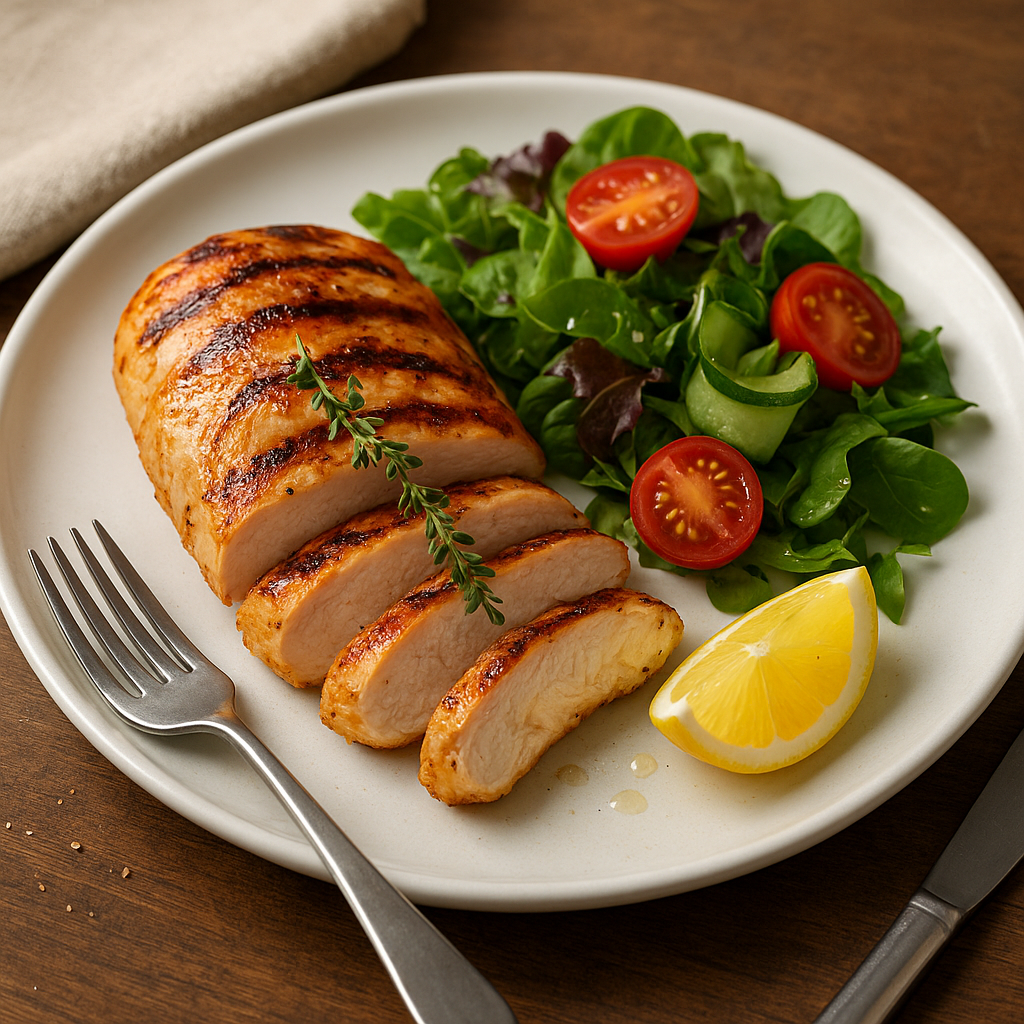
Conclusion
Grilled chicken calories depend on three variables above everything else: the cut, the skin, and what you put on it. A plain skinless grilled breast at 165 kcal per 100g is one of the most calorie-efficient protein sources in any kitchen. Add skin, heavy marinades, or calorie-dense sauces, and the equation changes quickly.
Try this approach on your next grill day: weigh the chicken before and after cooking, use a simple lemon-herb marinade with minimal oil, and track by cooked weight. If you’re looking for more calorie-focused chicken prep, our chicken soup calories guide is a great next read.
— Chef Isabella