
There’s a question I get asked constantly at the gym, in the comments section, from my sister who just started tracking her macros and it always comes back to the same debate: chicken breast vs chicken thigh protein. Which one actually delivers more? Which one is better for your body, your goals, your Saturday meal prep session? I remember standing in the grocery store years ago, staring at both packages like I was trying to solve a math problem, because honestly, I didn’t know either. I just grabbed the breasts because that’s what fitness culture told me to do. But the more I cooked, the more I ate, and the more I learned about how food actually works in the body, the more complicated and fascinating that answer became.
The truth is, both cuts of chicken are genuinely excellent sources of complete protein packed with essential amino acids, and your choice between them might matter less than you think. But the differences are real, and depending on what you’re chasing right now, one might edge out the other in meaningful ways. So let’s dig in with real numbers, real food context, and no boring textbook language.

Chicken Breast vs Chicken Thigh Protein: The Quick Answer
Chicken breast contains more protein per 100g than chicken thigh roughly 31g versus 26g in cooked form. But chicken thighs deliver more fat, deeper flavor, and a juicier texture that keeps many people consistently eating more protein overall. Both are high-quality, complete protein sources and excellent choices for a healthy, balanced diet.
What Is Chicken And Why Does the Cut Matter So Much?
You’d think chicken is just chicken. It’s all the same bird, right? But anyone who’s ever bitten into a perfectly seared thigh that golden, slightly crispy skin giving way to dark, tender meat knows it tastes nothing like a baked chicken breast. And that difference in taste comes from a very real difference in biology.
White Meat vs Dark Meat: The Muscle Science
Chicken breast is white meat. It comes from the pectoral muscles the muscles chickens use for short, fast bursts of wing movement. These muscles are made up mostly of fast-twitch muscle fibers, which store less fat and have a lighter, leaner texture. That’s why a raw chicken breast looks almost pale pink, almost white, and why it dries out so fast if you cook it even two minutes too long.
Chicken thighs are dark meat. They come from the leg and hip muscles muscles the bird uses constantly for walking, which means they’re built for endurance. Slow-twitch muscle fibers dominate here, and they’re surrounded by more connective tissue and intramuscular fat. That fat is what makes thighs taste richer. It’s what keeps them moist even when you braise them low and slow for an hour. It’s also what makes them smell like heaven when they hit a hot pan.
Bone-In vs Boneless, Skin-On vs Skinless
This matters a lot for nutrition calculations. A bone-in, skin-on thigh weighs more but delivers fewer actual grams of edible protein and fat than the numbers on its label suggest, because you’re accounting for bone weight. When comparing macros fairly, always use boneless, skinless cuts or pay attention to cooked, edible weight. Most nutrition databases, including USDA FoodData Central, list values for boneless, skinless cooked meat, which is the most honest comparison.
How Cooking Method Changes the Numbers
Grilled chicken breast loses moisture rapidly, which concentrates the protein per gram. A poached thigh retains more water weight, which can slightly dilute protein density per serving. Pan-seared, baked, roasted every method shifts the numbers a little. It’s not dramatic, but it’s worth knowing when you’re tracking macros carefully.
Chicken Breast vs Chicken Thigh Protein: Full Nutritional Breakdown
Let’s get into the actual numbers. These values are based on cooked, boneless, skinless meat per 100g, sourced from USDA FoodData Central.
Protein Content: The Main Event
Cooked boneless, skinless chicken breast delivers approximately 31g of protein per 100g. Cooked boneless, skinless chicken thigh comes in at roughly 26g of protein per 100g. That’s a meaningful difference about 5 grams per 100g, or roughly 12 to 15 grams per full serving depending on portion size.
Both cuts provide all nine essential amino acids, which officially makes them complete proteins. That matters for muscle protein synthesis. The leucine content in chicken is particularly noteworthy leucine is the amino acid that most directly signals muscle building, and chicken delivers it generously whether you’re eating the breast or the thigh.
If you want to understand how protein density fits into your bigger nutrition picture, it helps to also look at chicken breast calories alongside these protein numbers, because the calorie-to-protein ratio is one of the most practical ways to evaluate any protein source.
Fat Content: Where the Gap Really Opens Up
This is where the two cuts diverge most significantly. Cooked boneless, skinless chicken breast contains around 3.6g of fat per 100g, with very little saturated fat. Cooked boneless, skinless chicken thigh runs closer to 9 to 10g of fat per 100g, with a higher proportion of saturated and monounsaturated fats.
Add skin back into the equation and those fat numbers jump considerably a skin-on thigh can carry 15 to 18g of fat per 100g depending on cooking method. That fat isn’t inherently bad. It provides fat-soluble vitamins, contributes to satiety, and carries flavor compounds that make your meal genuinely enjoyable. But it does affect your calorie count significantly.
Calories Per Serving
Per 100g cooked:
- Chicken breast: approximately 165 calories
- Chicken thigh: approximately 209 calories
Scale that to a typical 150g serving and you’re looking at roughly 248 calories for breast versus 314 calories for thigh. Over the course of a week of meal prepping, that difference adds up or doesn’t, depending on how you manage the rest of your plate.
Side-by-Side Nutrition Comparison
Here’s a quick reference table based on USDA FoodData Central data for cooked, boneless, skinless portions:
| Nutrient (per 100g cooked) | Chicken Breast | Chicken Thigh |
|---|---|---|
| Protein | ~31g | ~26g |
| Total Fat | ~3.6g | ~9–10g |
| Calories | ~165 kcal | ~209 kcal |
| Saturated Fat | ~1g | ~2.5g |
| Iron | ~0.7mg | ~1.1mg |
| Zinc | ~0.9mg | ~2.1mg |
| Niacin (B3) | ~13.7mg | ~6.1mg |
Data sourced from USDA FoodData Central, March 2026.
Vitamins and Minerals Worth Knowing
Both cuts are solid sources of B vitamins particularly niacin (B3), vitamin B6, and B12 which support energy metabolism and neurological function. Chicken thighs edge out breasts slightly in iron content and zinc, largely because dark meat muscle tissue is more metabolically active and holds more of these minerals. If you’re eating chicken primarily as a muscle-building protein, these micronutrients matter more than most people realize.
Health Benefits of Chicken Both Cuts
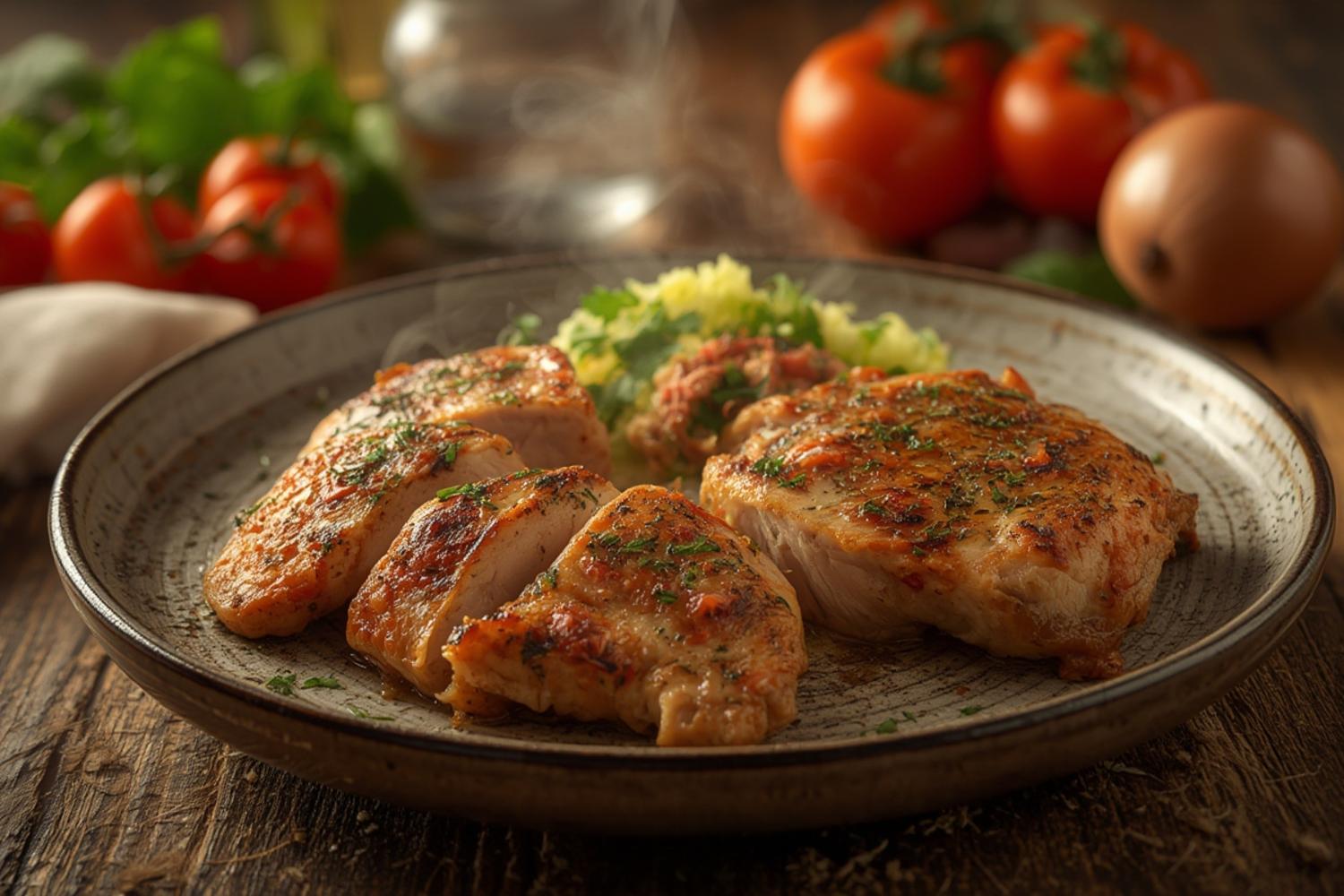
Muscle Building and Recovery
Chicken is one of the most well-studied protein sources for muscle protein synthesis. Its high biological value meaning a large proportion of the protein you eat actually gets absorbed and used by your body makes it a staple in athletic nutrition worldwide. The essential amino acids in chicken, especially leucine, isoleucine, and valine (the branched-chain amino acids), directly support muscle repair after exercise. According to Healthline’s analysis of chicken nutrition, chicken is consistently ranked among the most efficient whole-food protein sources available.
Whether you’re reaching for a breast or a thigh after a hard workout, you’re giving your muscles what they need. The breast pulls slightly ahead on sheer protein volume, but the thigh’s extra fat slows digestion slightly, which some people find keeps them fuller and more satisfied through the recovery window.
Weight Management and Satiety
High-protein foods genuinely help with weight management and it’s not just a marketing claim. Protein has the highest thermic effect of any macronutrient, meaning your body burns more calories just digesting it compared to fats or carbohydrates. Chicken breast, being leaner, fits neatly into calorie-controlled eating patterns because you can eat a generous, satisfying portion without using up a huge chunk of your daily calorie budget.
That said, chicken thighs are more satiating per gram of food for many people, because fat signals fullness through different hormonal pathways. Some people find they eat less overall when they include thighs in their meals which can absolutely support weight goals just as effectively.
Heart Health Considerations
Chicken in general is heart-friendlier than red meat, mainly because of its lower saturated fat content. Medical News Today notes that replacing red meat with poultry is associated with better cardiovascular outcomes in several large observational studies. Between the two cuts, chicken breast has an advantage for those specifically monitoring saturated fat intake, but skinless chicken thigh is still a reasonable, moderate choice for most healthy adults.
Iron and Zinc for Energy
Dark meat chicken thighs and drumsticks contains more heme iron than white meat. Heme iron is the form found in animal foods and it absorbs significantly more efficiently than the non-heme iron in plants. If you’re fighting fatigue, if you’re a woman of reproductive age, or if you’re an endurance athlete, that extra iron in chicken thighs might be the quiet nutritional win you didn’t know you needed.
Chicken Breast vs Chicken Thigh Protein for Your Goals
For Weight Loss
Chicken breast is the classic choice for weight loss, and honestly, the reputation is earned. At around 165 calories per 100g cooked with 31g of protein, it offers one of the best protein-to-calorie ratios of any food you can buy at a regular grocery store. If you’re eating in a calorie deficit and trying to preserve muscle mass while losing fat, chicken breast should be a regular in your kitchen.
The one caveat? If chicken breast consistently tastes dry and bland to you, and you end up picking at it or skipping it entirely, that’s not a win. Meal adherence matters more than marginal macronutrient differences. A perfectly seasoned, juicy chicken thigh that you actually want to eat is nutritionally superior to a dry chicken breast you push around your plate.
For Muscle Building
For building muscle, total daily protein intake across all your meals matters most not the specific cut you choose. That said, chicken breast’s higher protein density makes it slightly more efficient if you’re hitting specific gram targets. Getting to 180g of protein per day is a little easier when your protein sources are as lean and dense as chicken breast.
But don’t discount the thighs. Their extra calories can actually be helpful if you’re in a muscle-building phase and struggling to eat enough. Those additional calories from healthy fats are a natural, whole-food way to hit your calorie surplus without resorting to processed foods.
For Meal Prep
This is where chicken thighs earn real fans, and I’m firmly in that camp. Thighs are almost impossible to overcook. You can batch-roast a tray of boneless, skinless thighs, refrigerate them, and pull them out four days later and they’ll still be moist, tender, and genuinely good. Chicken breast, reheated from the fridge, can turn rubbery and dry very quickly if you’re not careful about how you store and reheat it.
For practical, sustainable high-protein meal prep that you’ll actually look forward to eating, thighs often win on convenience. Check out some of the chicken breast calories breakdowns on this blog for more context on fitting breast meat into your weekly prep efficiently.
For a High-Protein Diet
On a dedicated high-protein diet, variety tends to keep compliance high. Alternating between breast and thigh different flavor profiles, different textures, different cooking methods makes the diet more sustainable long-term. Use breast when you want a clean, neutral base for marinades and sauces. Use thighs when you want depth of flavor with minimal effort. Both belong in a serious high-protein eating plan.
How to Eat More Chicken: Best Ways to Enjoy Both Cuts
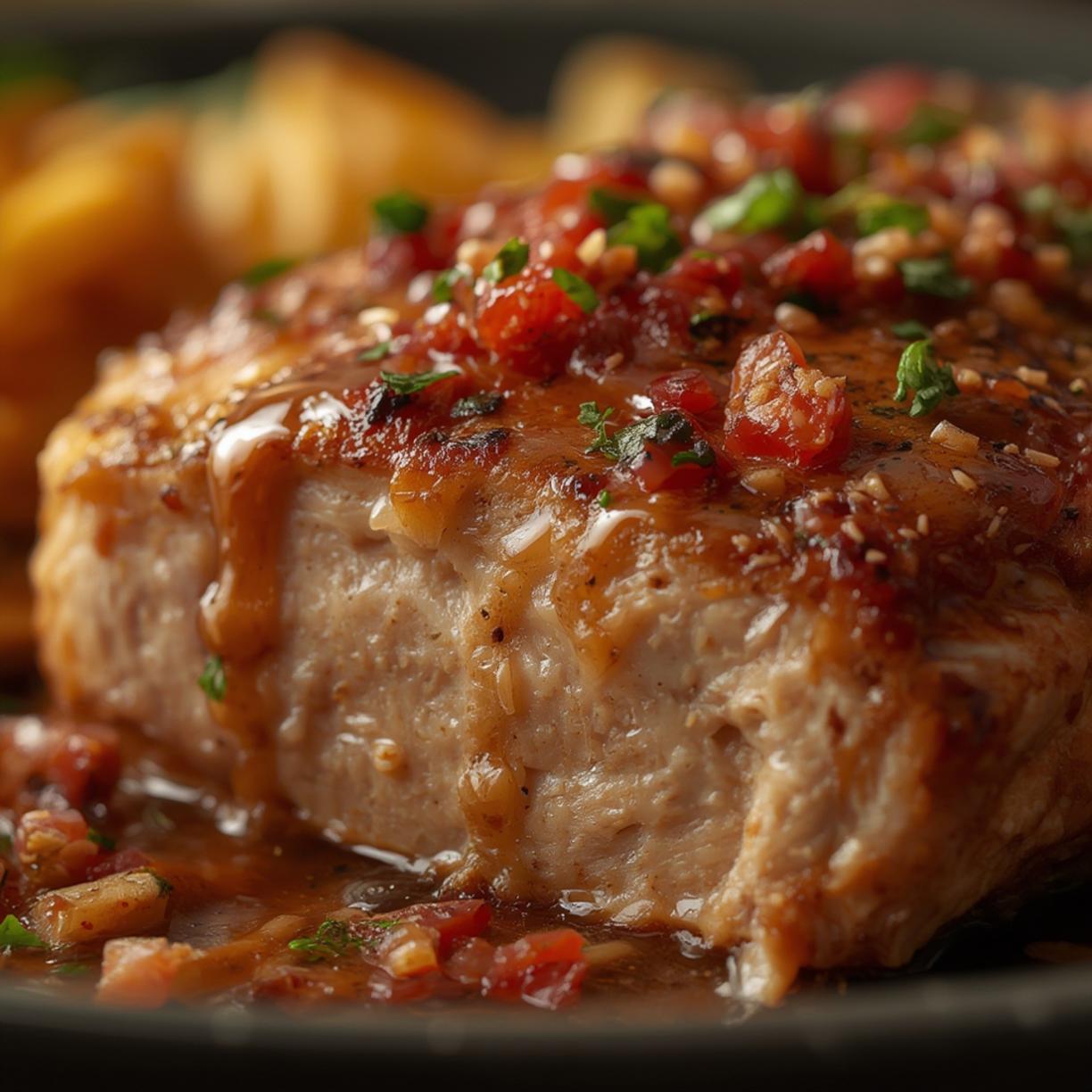
The best protein source is the one you actually eat consistently and enjoying your food isn’t a luxury, it’s a strategy.
For chicken breast, the biggest mistake people make is cooking it plain at too high a heat. Brining chicken breasts in salted water for 30 minutes before cooking makes a remarkable difference in moisture and texture. You can also slice them thin, pound them even, and cook them fast in a screaming hot pan with garlic, lemon, and olive oil. They take on marinades beautifully think citrus-herb, honey-mustard, or spiced yogurt.
For chicken thighs, the method almost doesn’t matter. Roast them whole at 425°F until the skin crisps and crackles. Braise them in a tomato sauce until they fall apart. Slice them thin and toss them in a hot wok with ginger, sesame oil, and vegetables. They’re forgiving, flavorful, and genuinely one of the most versatile proteins in any kitchen.
If you’re looking for creative ways to build more protein into your daily eating, the same philosophy applies across all protein sources. You might also enjoy looking at chicken wings nutrition for another perspective on chicken’s macronutrient range across different cuts.
Some easy ways to build chicken into your week:
- Slice cooked chicken breast over grain bowls with roasted vegetables and tahini dressing
- Shred braised chicken thighs into taco bowls with black beans, salsa, and avocado
- Make a big batch of baked chicken thighs on Sunday and use them across lunches and dinners all week
- Add thinly sliced chicken breast to stir-fries, soups, or pasta dishes for a quick protein boost
- Marinate overnight in anything acidic yogurt, citrus, vinegar for dramatically juicier results
Common Myths About Chicken Breast vs Chicken Thigh Protein
Myth 1: Chicken Thighs Are Unhealthy Because of the Fat
This one has been floating around gym culture forever, and it’s just not accurate. The fat in boneless, skinless chicken thighs is a mix of saturated and unsaturated fats not dramatically different in profile from what you’d find in other whole, minimally processed animal foods. When you eat chicken thighs as part of a balanced diet rich in vegetables, fiber, and whole grains, the fat content is not a health concern for most people. The problem comes when thighs are fried or prepared with heavy sauces not from the thigh itself.
Myth 2: You Have to Eat Chicken Breast to Build Muscle
Muscle building responds to total protein intake and training stimulus not to which specific protein source you choose. Your muscles don’t know the difference between protein from a breast or a thigh. Both deliver all nine essential amino acids. Both support muscle protein synthesis. The research on this is consistent: what matters is hitting your total daily protein target with high-quality complete proteins, and chicken thighs qualify without question.
Myth 3: Chicken Breast Always Has More Protein Than Thigh Per Serving
Per 100g, yes breast has more. But if you eat a larger portion of thigh, you can absolutely get as much or more total protein per meal. A 200g serving of chicken thigh delivers around 52g of protein. That’s an impressive number by any standard. Portion size matters just as much as protein density when you’re thinking about hitting daily targets.
Myth 4: Dark Meat Is Too High in Calories for a Healthy Diet
Compared to chicken breast, thighs are higher in calories. Compared to most other protein-rich foods beef, pork, salmon, cheese chicken thighs are quite moderate. The calorie difference between a breast and a thigh is real but not dramatic, especially when you’re eating balanced meals. Framing thighs as high-calorie or indulgent overlooks the bigger picture of where your overall calories are coming from.
Conclusion
After years of cooking both cuts, tracking macros, and genuinely eating a lot of chicken, my honest take is this: the chicken breast vs chicken thigh protein debate doesn’t have a single winner. What it has is context. Chicken breast wins on raw protein density and calorie efficiency it’s the smarter pick when you’re eating in a deficit or need to hit very high protein targets within a tight calorie budget. Chicken thigh wins on flavor, meal prep durability, and real-world eating enjoyment which, when it keeps you consistent week after week, is genuinely valuable.
The best approach? Use both. Rotate them based on your cooking mood, your calorie goals for the week, and honestly, what’s on sale at the grocery store. They’re both nutrient-dense, complete protein sources that belong in any healthy kitchen.
I’d love to know which cut you reach for most often drop a comment below and tell me your favorite way to cook it. And if you’re exploring more high-protein recipes and nutrition guides, stick around — there’s plenty more on the blog to help you eat better, cook smarter, and actually enjoy the process.
FAQs
Does chicken breast really have significantly more protein than chicken thigh?
Yes, but the gap is moderate. Cooked, boneless, skinless chicken breast delivers roughly 31g of protein per 100g, while chicken thigh provides around 26g per 100g. That’s about 5g difference meaningful if you’re tracking tightly, but not dramatic enough to make thighs a poor protein choice. Total daily intake across all meals matters most.
How much chicken do I need to eat to hit 150g of protein per day?
If chicken is your primary protein source, you’d need approximately 480g of cooked chicken breast or around 575g of cooked chicken thigh to reach 150g of protein from chicken alone. Realistically, most people combine chicken with eggs, dairy, legumes, or other proteins throughout the day to hit those higher targets more comfortably and with more variety.
Is chicken thigh good for weight loss?
Absolutely, yes. Boneless, skinless chicken thigh is a high-protein, moderately calorie food that supports satiety and muscle retention during a calorie deficit. Its higher fat content compared to breast means slightly more calories per gram, but for most people eating balanced meals, the difference is manageable and the flavor payoff keeps eating enjoyable and sustainable long-term.
Which cut of chicken is better for meal prep?
Chicken thighs hold up significantly better in meal prep. They stay moist and flavorful after refrigeration and reheating, while chicken breast can become dry or rubbery if not stored carefully. If your priority is cooking once and eating well for several days, thighs are the more practical, forgiving choice for batch cooking and weekly meal prep routines.
Can I eat chicken every day without health risks?
For most healthy adults, eating chicken daily is perfectly safe and nutritionally beneficial. It’s a lean, complete protein with important vitamins and minerals. Variety is always wise rotating chicken with fish, legumes, eggs, and other proteins ensures a broader micronutrient profile. Preparation method matters too: grilled, baked, or poached chicken is far healthier than fried preparations eaten regularly.
Does cooking method change which cut has more protein?
Cooking method doesn’t meaningfully change which cut has more protein — breast still outranks thigh regardless of how you cook it. However, it does affect the density of protein per gram of food. Grilling or roasting removes moisture, which concentrates nutrients slightly; poaching or braising retains more water weight. The differences are minor and shouldn’t drive your cooking decisions. Choose your method based on flavor and texture goals, not protein optimization.