
I never used to think much about what I was actually eating — I just knew chicken breast felt like the right choice when I was trying to eat cleaner. It wasn’t until a trainer asked me point-blank, “Do you know how many calories are in your air fryer chicken breast?” that I realized I had no real answer. I’d been tossing those pale, plump fillets into my air fryer every Sunday, smelling that golden, savory aroma fill the kitchen, and assuming I was doing something good for my body. Turns out I was right — I just didn’t know the full, fascinating story behind air fryer chicken breast calories and why that number is so much more meaningful than it looks on paper.
Whether you’re counting macros, building muscle, or just trying to make sense of what’s on your plate, understanding the nutritional profile of this weeknight staple can genuinely change how you cook and eat. And the air fryer? It’s not just a trendy gadget — it actually changes the calorie count in ways that matter.
The Quick Answer: How Many Calories?
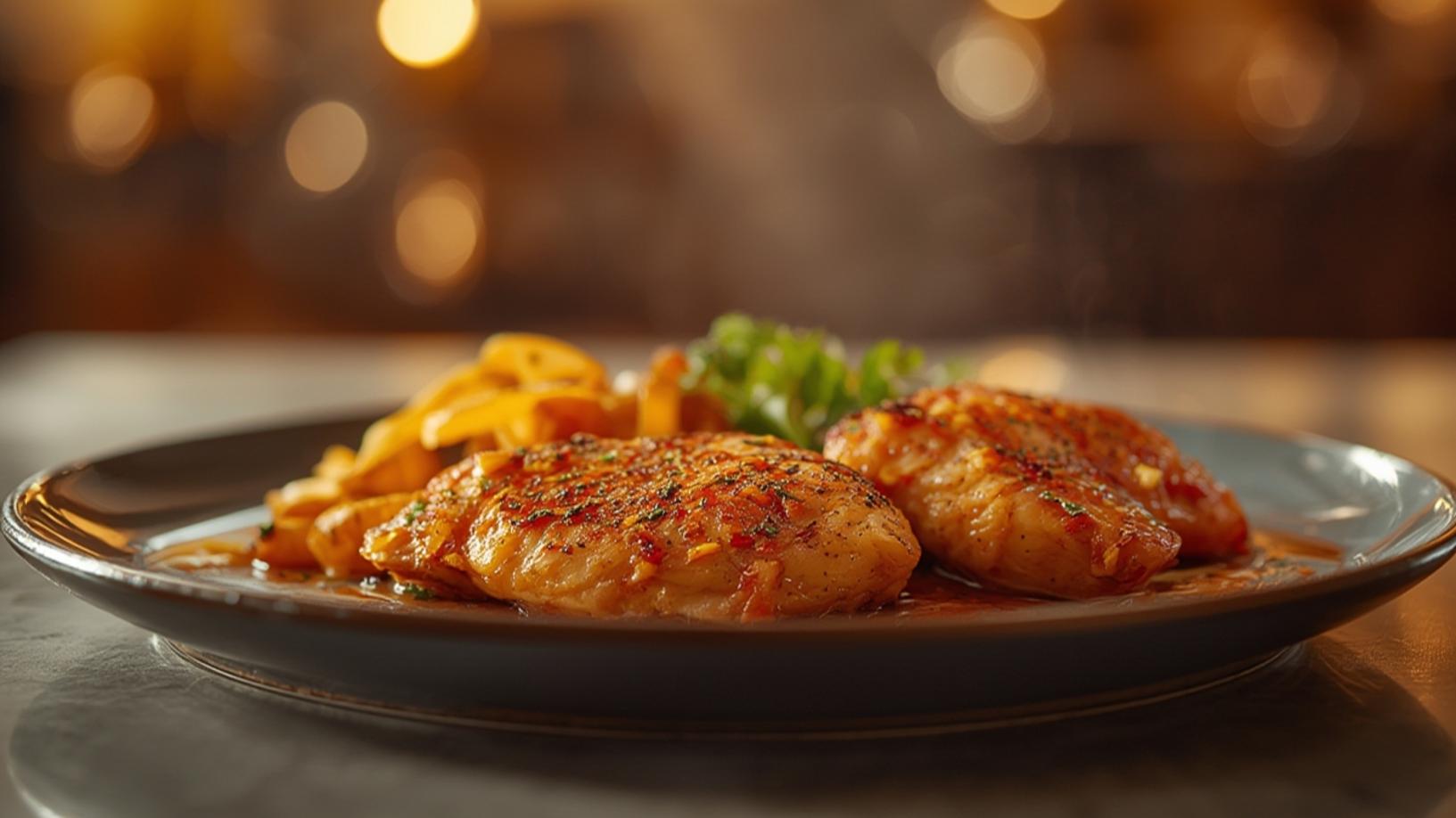
A typical air fryer chicken breast (around 4 ounces or 113g, cooked, with minimal oil) contains roughly 165 to 185 calories. The exact number shifts depending on the size of the breast, the amount of oil used, and any marinades or coatings you add. Because the air fryer uses circulating hot air rather than submerging food in fat, it consistently produces a lower-calorie result than pan-frying or deep-frying the same piece of chicken.
What Is Air Fryer Chicken Breast?
At its simplest, air fryer chicken breast is exactly what it sounds like — a boneless, skinless chicken breast cooked in an air fryer until juicy on the inside and lightly golden on the outside. But there’s real craft in getting it right, and understanding what makes this cooking method unique helps explain why it’s become such a go-to for health-conscious cooks.
The air fryer works by circulating superheated air at high speed around the food, creating a dry-heat environment that mimics roasting but cooks much faster. The result is a chicken breast that develops a slightly crisp, almost caramelized exterior — you can hear that gentle sizzle as it cooks — while staying tender and moist inside in a way that baked chicken sometimes fails to achieve.
Boneless, Skinless vs. Bone-In
Most people reach for boneless, skinless chicken breast when they’re thinking about a lean, lower-calorie meal, and for good reason. Removing the skin alone drops the fat content significantly. A bone-in, skin-on breast can run 250 calories or more for the same serving size, compared to under 185 for its boneless, skinless counterpart. The air fryer works beautifully with both cuts, but for calorie-conscious cooking, skinless is where you want to be.
Fresh vs. Frozen Chicken Breast
You can absolutely air fry chicken breast from frozen — one of the genuinely underrated perks of this appliance. A frozen breast typically takes 20 to 25 minutes at 375°F, and while it won’t develop quite the same golden crust as fresh chicken, it still comes out tender and fully cooked. The calorie difference between fresh and frozen (plain, no added ingredients) is negligible, so don’t stress the distinction if that’s what you’ve got in the freezer.
Seasoned, Marinated, or Breaded?
Plain, lightly oiled chicken breast sits in that 165 to 185 calorie range. The moment you introduce a honey-garlic glaze, a panko breadcrumb coating, or a creamy marinade, the calorie count climbs. It’s not that those versions are “bad” — they’re often delicious — but being aware of what you’re adding helps you stay intentional. A simple spice rub of smoked paprika, garlic powder, and black pepper adds almost zero calories and an enormous amount of flavor.
Full Nutritional Breakdown: Macros, Vitamins & Minerals
Understanding the full picture of air fryer chicken breast calories means looking beyond the single calorie number and seeing all the macronutrients and micronutrients working together. This is genuinely good news, because the nutrition profile here is impressive.
The values below are based on a standard 4-ounce (113g) serving of boneless, skinless chicken breast cooked in an air fryer with approximately half a teaspoon of olive oil and basic seasonings. Reference data is sourced from the USDA FoodData Central chicken breast entry.
Calories and Macronutrients
- Calories: 165–185 kcal
- Protein: 30–34g
- Total Fat: 3.5–5g
- Saturated Fat: 0.8–1.2g
- Carbohydrates: 0g (for plain, unbreaded chicken)
- Fiber: 0g
- Sugar: 0g
The protein content here is genuinely exceptional. Thirty to thirty-four grams of complete protein in under 185 calories is the kind of macro ratio that nutritionists and athletes chase. And because chicken breast provides all nine essential amino acids, it qualifies as a complete protein source — meaning your body gets everything it needs for tissue repair, enzyme production, and muscle synthesis from a single food.
Fat Profile
The fat in a plain air fryer chicken breast is low and mostly unsaturated, especially if you’re using olive oil or avocado oil as your cooking fat. Saturated fat stays under 1.5 grams per serving, which is well within healthy daily limits. The air fryer’s efficiency means you need far less oil than you would in a skillet — half a teaspoon does the job where a tablespoon or two would be needed for pan-frying.
Vitamins and Minerals
This is where chicken breast quietly overdelivers. Per 4-ounce serving, you’re looking at:
- Niacin (Vitamin B3): 14–15mg — roughly 90% of the daily recommended intake, which supports energy metabolism
- Vitamin B6: 0.9mg — around 53% of your daily needs, important for brain health and immune function
- Phosphorus: 220mg — supporting bone health and kidney function
- Selenium: 27mcg — a powerful antioxidant mineral that’s often overlooked
- Potassium: 260–280mg — helping balance sodium and supporting heart health
Chicken breast also provides small but meaningful amounts of zinc, magnesium, and riboflavin. It’s genuinely one of the more nutritionally complete single-food options you can put on a plate.
Sodium Content
Plain, unseasoned chicken breast has naturally low sodium — around 65 to 75mg per 4-ounce serving. That number climbs steeply if you’re using store-bought marinades, seasoned salts, or brined chicken. If you’re watching sodium intake, cooking from scratch with your own spice blends gives you full control.
Health Benefits of Chicken Breast

It feels almost too obvious to say that chicken breast is good for you — but the reasons why are worth unpacking, because they go much deeper than “it’s low in calories.” The health benefits of eating chicken breast regularly, especially when it’s prepared in a calorie-efficient method like the air fryer, span several body systems and life goals.
Supports Muscle Growth and Repair
The biological value of chicken breast protein is remarkably high. All nine essential amino acids are present, including leucine, which plays a specific role in triggering muscle protein synthesis. According to Healthline’s research on protein and muscle building, consuming a protein source with this amino acid profile after exercise supports faster muscle repair and growth. If you’re doing any kind of resistance training and you want to build or maintain lean mass, chicken breast is one of the most efficient foods on the planet for that goal.
Excellent for Weight Management
Protein is the most satiating macronutrient — it keeps you fuller longer than fats or carbohydrates at the same calorie level. A meal built around air fryer chicken breast naturally helps curb hunger without requiring a large calorie spend. The high protein-to-calorie ratio means you can eat a genuinely satisfying, filling dinner and still stay within a moderate daily calorie target. This isn’t about restriction — it’s about eating smarter, and chicken breast makes that feel almost effortless.
Promotes Heart Health
Compared to red meats like beef or lamb, chicken breast is dramatically lower in saturated fat. A diet that replaces high-saturated-fat proteins with leaner options like chicken breast is associated with lower LDL cholesterol levels and reduced cardiovascular risk, according to research published by Medical News Today on lean protein and heart health. Cooking in the air fryer keeps the fat addition minimal, making it one of the most heart-friendly cooking methods for chicken.
Rich in B Vitamins for Energy
The niacin and B6 content in chicken breast deserves its own spotlight. Niacin supports cellular energy production — it’s literally involved in converting the food you eat into usable fuel. B6 plays a role in over 100 enzymatic reactions in the body, including those involved in serotonin and dopamine production. Eating chicken breast regularly isn’t just feeding your muscles; it’s feeding your brain and your energy systems too.
Supports Immune Function
The selenium and zinc in chicken breast both contribute to a well-functioning immune system. Selenium, in particular, acts as an antioxidant, helping to neutralize free radicals and reduce oxidative stress. It’s not a glamorous nutrient in the way that vitamin C gets the credit, but it’s consistently associated with immune resilience.
Fitting Air Fryer Chicken Breast Into Your Goals
For Weight Loss
If you’re working toward fat loss, the calorie density of air fryer chicken breast is genuinely your friend. At roughly 165 to 185 calories for a satisfying 4-ounce serving, you’re getting one of the best protein-to-calorie ratios in the whole grocery store. Pair it with a mountain of roasted vegetables — think caramelized zucchini, charred cherry tomatoes, or golden-edged broccoli — and you have a complete, filling meal well under 400 calories. The air fryer makes this a 20-minute weeknight dinner, which removes the “I’m too tired to cook healthy” excuse entirely.
To understand how this stacks up against other cuts, it helps to compare. If you’ve been curious about chicken breast calories across different cooking methods, you’ll find that the air fryer consistently produces one of the lowest-calorie results, outperforming pan-frying and certainly deep-frying by a notable margin.
For Muscle Building
Muscle building requires consistent, adequate protein spread across your meals throughout the day. A 4-ounce serving of air fryer chicken breast delivers 30 to 34 grams of protein — roughly half or more of what many active individuals need in a single sitting, depending on their body weight and training intensity. The complete amino acid profile, including that all-important leucine, means the protein isn’t just present — it’s highly usable for muscle protein synthesis. Meal prepping a batch of air fryer chicken breasts on Sunday and using them throughout the week is one of the most practical high-protein meal prep strategies you can build.
For Meal Prep
Air fryer chicken breast is practically built for meal prep. It cooks quickly, stores well, reheats without turning rubbery (if you do it right), and pairs with almost anything. Slice it over grain bowls, shred it into wraps, dice it into salads, or eat it whole alongside sweet potato and steamed greens. The neutral-to-savory flavor profile means you can season it differently each time and it never feels repetitive. A batch of four to six breasts prepped on Sunday sets you up for protein-rich lunches and dinners all week long.
For a High-Protein Diet
If you’re following a high-protein dietary approach — whether that’s for body composition, satiety, or metabolic health — chicken breast fits almost every framework. It’s naturally low-carb (zero grams in plain form), moderate in fat, and packed with protein, making it compatible with keto, paleo, Mediterranean-style, and general high-protein eating plans. You might also want to explore chicken wings nutrition if you’re comparing cuts and want to understand where different parts of the bird land on the calorie and protein spectrum.
How to Eat More Chicken Breast: Best Ways to Enjoy It
The honest truth is that plain chicken breast has a reputation for being boring — and if you’ve ever eaten a dry, flavorless piece, that reputation feels earned. But it doesn’t have to be that way, and once you master a few techniques and flavor combinations, you’ll genuinely look forward to eating it.
Season Boldly and Early
Seasoning isn’t optional — it’s everything with chicken breast. Salt pulls moisture toward the surface and then draws it back in, seasoning the interior of the meat. If you can season your chicken 30 minutes to an hour before cooking, you’ll notice a dramatic difference in both flavor and juiciness. A simple blend of smoked paprika, garlic powder, onion powder, dried thyme, and a pinch of cayenne transforms a plain breast into something that smells incredible the moment it hits the air fryer basket.
Don’t Skip the Rest
After your chicken comes out of the air fryer, resist the urge to cut into it immediately. Letting it rest for 5 minutes allows the juices to redistribute throughout the meat. Cut it too soon and you’ll see all those beautiful juices pool on the cutting board instead of staying in the chicken. Five minutes of patience makes a real difference in texture.
Slice Thin for Salads and Bowls
One of the most versatile uses for air fryer chicken breast is as a salad or bowl protein. Slice it thin against the grain, fan it over a bed of arugula with shaved parmesan and lemon dressing, or layer it into a grain bowl with farro, roasted chickpeas, and tahini. The mild flavor of chicken breast plays well with bold dressings and sauces, which makes it a genuinely flexible canvas.
Use It in Wraps and Sandwiches
Shredded air fryer chicken breast tucked into a whole-grain wrap with avocado, crisp romaine, and a swipe of Greek yogurt-based sauce is one of those lunches that actually keeps you full until dinner. The texture of freshly shredded chicken is entirely different from the sliced version — softer, more tender, almost like pulled chicken — and it absorbs whatever sauce or dressing you pair it with.
Pair It with the Right Sides
The chicken might be the star, but the sides shape the whole experience of the meal. Roasted sweet potatoes, steamed broccoli with garlic, a simple cucumber and tomato salad, or even a small serving of brown rice all complement air fryer chicken breast beautifully. If you’re building a high-protein plate, adding a side of Greek yogurt-based dip or a lentil-based salad pushes the protein content of the whole meal even higher.
Common Myths, Debunked
Myth 1: Air Frying Makes Chicken Breast Completely Fat-Free
This one circulates a lot, and it’s worth clearing up gently. Air frying significantly reduces the amount of added fat compared to deep frying or heavy pan searing, but it doesn’t eliminate fat entirely. The chicken itself contains naturally occurring fat — around 3 to 3.5 grams per 4-ounce serving — and whatever oil you use (even a light spray) contributes a small amount. Air fryer chicken breast is genuinely low-fat, but “fat-free” isn’t accurate, and that’s actually fine because dietary fat plays important roles in nutrient absorption and hormone production.
Myth 2: The Calorie Count Is the Same as Baked Chicken
Baked and air-fried chicken breast end up in a similar calorie range, but there are meaningful differences in how the cooking method affects the final product. Air frying typically uses less oil than oven baking (where some people pour oil liberally over the pan), and the faster, more intense heat of the air fryer often results in slightly less moisture loss — meaning the chicken stays juicier and you don’t lose as much weight through evaporation. The practical calorie difference may be small, but the texture difference is significant.
Myth 3: You Need to Use Oil for It to Work
You don’t strictly need oil to cook chicken breast in an air fryer — the natural fat content of the meat is enough to prevent it from becoming completely dry. That said, a light coating of oil (half a teaspoon to a teaspoon) dramatically improves the exterior texture and helps seasonings adhere. If you’re aiming for the absolute minimum calories, a quick spritz of cooking spray gets you the benefits without much caloric impact.
Myth 4: Chicken Breast Is Nutritionally Inferior to Dark Meat
This one is nuanced. Dark meat (thighs and drumsticks) does contain more iron, zinc, and certain B vitamins than breast meat, and the higher fat content gives it a richer flavor. But chicken breast holds its own with a higher protein-to-calorie ratio and lower saturated fat content. Neither cut is universally superior — they serve different nutritional and culinary purposes. If you want the most protein for the fewest calories, breast is your cut.
Conclusion
When my trainer first challenged me to actually understand what I was eating, I expected to feel overwhelmed by numbers. Instead, learning the full story behind air fryer chicken breast calories made me feel genuinely excited about food in a new way. There’s something satisfying about knowing that the dinner you’re already making — that golden, perfectly seasoned breast straight from the air fryer — is delivering 30-plus grams of complete protein, a meaningful dose of B vitamins and selenium, and all of this for under 185 calories. That’s not just good nutrition data. That’s a meal you can feel confident eating any night of the week.
Whether you’re on a weight loss journey, building muscle, meal prepping for a busy week, or simply trying to eat a little more intentionally, air fryer chicken breast belongs in your regular rotation. It’s one of those foods that earns its reputation not through trendy marketing but through straightforward, consistent nutritional quality.
I’d love to know how you season your air fryer chicken breast — drop your favorite spice combination in the comments below! And if you’re hungry for more ideas, browse through the recipes and nutrition guides on the blog. There’s a whole world of delicious, protein-rich cooking waiting for you here.
FAQs
How many calories are in a full chicken breast cooked in an air fryer?
A full boneless, skinless chicken breast cooked in an air fryer typically weighs 6 to 8 ounces (170 to 227g) and contains approximately 250 to 370 calories, depending on size and oil used. Smaller breasts run closer to 165 to 185 calories per 4-ounce serving. Marinades, sauces, and breadcrumb coatings will increase the calorie count above these baseline figures.
Does the air fryer reduce the calorie count compared to pan frying?
Yes, meaningfully so. Pan frying chicken breast typically requires 1 to 2 tablespoons of oil, adding 120 to 240 calories from fat alone. The air fryer achieves similar results with a light spray or half a teaspoon of oil, keeping added fat calories under 20. This makes air frying one of the most calorie-efficient ways to cook chicken breast while still achieving a satisfying texture and flavor.
How much protein does air fryer chicken breast have per serving?
A 4-ounce (113g) serving of plain air fryer chicken breast provides approximately 30 to 34 grams of protein. This is a complete protein, meaning it contains all nine essential amino acids the body cannot produce on its own. For a 6-ounce serving, expect closer to 45 to 50 grams of protein, making it one of the highest protein-per-calorie foods available.
Can I eat air fryer chicken breast every day?
Eating air fryer chicken breast daily is generally safe and nutritionally appropriate for most people. It provides consistent lean protein, B vitamins, and minerals without excessive saturated fat or sodium (if you control your seasonings). Varying your cooking seasonings and side dishes prevents monotony. People with specific dietary conditions should always consult a healthcare provider, but for most healthy adults, daily chicken breast is a sound nutritional choice.
Is air fryer chicken breast good for weight loss?
Absolutely. The combination of high protein (30 to 34g per serving), low calories (165 to 185 kcal per 4 ounces), and zero carbohydrates makes air fryer chicken breast an excellent choice for anyone in a calorie deficit. Protein is the most satiating macronutrient, which means you’ll feel fuller for longer and be less likely to snack between meals. Paired with vegetables, it creates a balanced, filling meal that supports sustainable weight loss.
How do I know when air fryer chicken breast is fully cooked?
The most reliable method is a meat thermometer: chicken breast is fully cooked and safe to eat when the thickest part reaches an internal temperature of 165°F (74°C), per USDA food safety guidelines. For the juiciest result, pull it at 160°F and let it rest for 5 minutes — carryover heat will bring it to the safe zone while keeping the meat tender. Never judge doneness by color alone; a pink interior can still be safe, and a white interior can be overcooked.