
There’s something almost magical about a pot of homemade chicken soup bubbling away on the stove. If you’ve ever wondered exactly how many calories in homemade chicken soup you’re actually eating, you’re not alone — and honestly, I asked the same question the first winter I started paying attention to what I put in my body. I remember standing in my kitchen, stirring that golden broth with a wooden spoon, the whole house smelling like roasted garlic and fresh thyme, feeling completely conflicted. Was this bowl of pure comfort secretly derailing my goals? Spoiler: it wasn’t. But the answer depends on more than you might think.
Homemade chicken soup isn’t a single fixed recipe. It’s a living, breathing thing that changes with every cook, every kitchen, every handful of noodles or extra drizzle of olive oil. That’s exactly why pinning down the calorie count takes a little more digging than just Googling a number. The good news? Once you understand what goes into your bowl and how each ingredient contributes to the overall nutrition profile, you’ll feel completely at ease ladling out a generous portion — no guilt, no second-guessing.
I grew up watching my grandmother make her version every Sunday. She never measured anything. A whole chicken, a mountain of carrots and celery, half an onion she’d had sitting on the counter since Thursday, and enough water to fill the biggest pot she owned. The result was always deeply savory, silky with natural collagen, and absolutely warming in a way no restaurant soup has ever quite matched. I’ve since made my own version hundreds of times, tweaked it for different goals, and learned exactly what the numbers look like — which is what I’m sharing with you today.
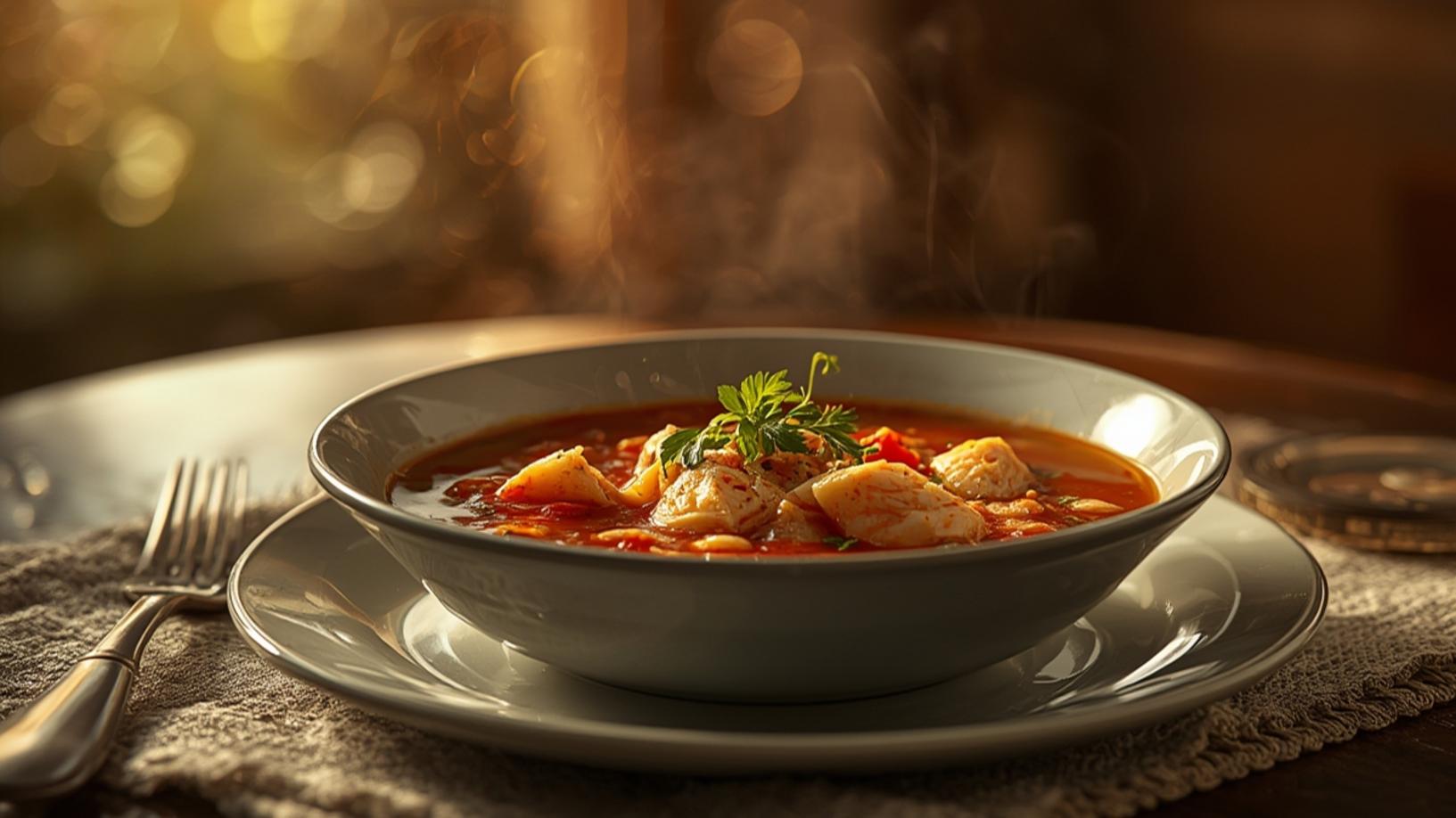
The Quick Answer: Calorie Range by Recipe Type
A standard two-cup (480ml) serving of homemade chicken soup made with bone-in chicken, vegetables, and broth typically contains between 100 and 175 calories, depending on the ingredients used. Adding egg noodles, rice, or potatoes can push that number to 200–300 calories per serving. A plain broth-based version with just chicken and vegetables sits comfortably on the lower end, making it one of the most satisfying low-calorie meals you can make at home.
What Is Homemade Chicken Soup?
Homemade chicken soup is exactly what it sounds like — a soup made from scratch, in your own kitchen, using real whole ingredients rather than the stuff that comes in a can. But within that simple definition lives an enormous amount of variety. Some people simmer a whole chicken for hours until the meat falls off the bone and the broth turns a deep, gorgeous amber color. Others use chicken breasts for a leaner, milder version. Some go heavy on the vegetables, some keep it simple. The result is always something personal.
The Classic Version
The classic version most of us picture involves a whole chicken or bone-in chicken pieces (thighs and drumsticks are especially popular for flavor), a mirepoix of carrots, celery, and onion, fresh herbs like parsley, thyme, and bay leaf, and a long, slow simmer that extracts collagen from the bones. That collagen is what gives a great homemade chicken soup its silky, slightly rich texture — and it’s also what makes your broth gel into a jiggly mass when you refrigerate it overnight. That’s the mark of a genuinely good stock.
The Lighter, Faster Version
Then there’s the weeknight version — chicken breasts or leftover rotisserie chicken, store-bought low-sodium broth as a base, plenty of vegetables, and maybe a handful of egg noodles thrown in at the end. It comes together in about 30 minutes and still tastes like you’ve been cooking all day. This version tends to be lower in fat since you’re not rendering down chicken skin and dark meat, but it can be slightly lower in natural collagen and body as well. Still absolutely delicious, and still nutritionally solid.
Variations Across Cultures
Homemade chicken soup looks different around the world. Greek avgolemono is thickened with eggs and lemon juice and has a creamy, tangy brightness. Mexican caldo de pollo is packed with whole vegetables and green chiles. Jewish-style chicken soup with matzo balls is a dish with almost spiritual significance in many households. Vietnamese pho ga shares the same slow-simmered spirit with a completely different spice profile. The calorie counts vary across all of these, but the core nutrition story — lean protein, vegetables, hydrating broth — stays largely consistent.
Full Nutritional Breakdown by Ingredient Choices
Let’s get specific here, because the real answer to how many calories in homemade chicken soup depends heavily on what goes into your pot. I’ve broken this down by the most common versions so you can find the one that matches your recipe most closely.
According to USDA FoodData Central, homemade chicken vegetable soup (prepared with water, per 1 cup / 240ml serving) contains approximately:
- Calories: 75–90 kcal
- Protein: 6–8g
- Total Fat: 2–4g
- Carbohydrates: 6–9g
- Fiber: 1–2g
- Sodium: 400–600mg (varies widely based on salt added)
Scale that up to a more realistic two-cup bowl and you’re looking at roughly 150–180 calories for a vegetable-and-chicken version without pasta or grains.
Calories in Chicken Broth-Only Soup
If you’re eating just the broth with shredded chicken and very minimal vegetables — think post-illness recovery soup — you’re probably looking at 60–80 calories per cup. The protein content is meaningful here (around 5–7g per cup if there’s a good amount of chicken), but the calorie count is extremely low. This is the kind of thing that feels nourishing even when your stomach is sensitive, and it genuinely is.
Calories When You Add Noodles or Rice
Egg noodles or white rice are where the calorie count climbs meaningfully. A half-cup of cooked egg noodles adds roughly 110 calories and about 20g of carbohydrates. A half-cup of cooked white rice adds about 100 calories. So a two-cup serving of classic chicken noodle soup sits right around 220–280 calories, depending on how heavy your hand is with the noodles and how rich your broth is.
Calories With Dark Meat vs. White Meat
This is one of the most meaningful variables. Chicken breast (white meat, skinless) has about 165 calories per 100g and roughly 31g of protein. Chicken thigh (dark meat, skinless) has closer to 180–209 calories per 100g with slightly more fat but also a richer, more satisfying flavor. If you make your soup with bone-in, skin-on chicken thighs and then skim the fat but leave the dark meat in the bowl, your calorie count per serving goes up noticeably compared to a breast-only version. Neither is wrong — they just serve different goals.
You can read more about chicken breast calories in detail if you want to compare cuts before building your next batch of soup.
Fat and Sodium: The Two Worth Watching
Homemade chicken soup is generally low in fat, but the fat content can vary from about 2g to 12g per serving depending on whether you skim the surface fat, use skinless versus skin-on chicken, and whether you finish the soup with butter or olive oil. Sodium is the other number worth watching — homemade soup has a huge advantage over canned versions here because you control the salt entirely. Many canned soups contain 800–1,000mg of sodium per cup, while a well-seasoned homemade version can clock in at 400–500mg or even less.
Vitamins and Minerals
Homemade chicken soup is a quiet powerhouse for micronutrients. The carrots bring beta-carotene and vitamin A. Celery contributes vitamin K and folate. Parsley, if you add it fresh at the end, is surprisingly high in vitamin C. The chicken itself provides B vitamins — niacin and B6 in particular — along with phosphorus, selenium, and zinc. And the collagen extracted from simmering bones contributes glycine and proline, which are amino acids with their own set of wellness associations. This isn’t just comfort food. There’s real nutrition in every spoonful.
Health Benefits of Homemade Chicken Soup

There’s a reason chicken soup has been called medicine across cultures for thousands of years. Some of that reputation is pure comfort psychology — there’s something about a warm, fragrant bowl that makes your shoulders drop and your breathing slow down. But a surprising amount of the health benefit is completely real.
It Supports Immune Function
Research highlighted by Healthline has shown that chicken soup may have mild anti-inflammatory properties that can help ease upper respiratory symptoms during a cold. One study found that the combination of hot steam, fluid intake, and compounds from the vegetables and chicken actually slowed the migration of neutrophils — the white blood cells that cause congestion and inflammation. Your grandmother wasn’t just being kind when she handed you a bowl. She was genuinely helping.
It’s Deeply Hydrating
Most people don’t think of soup as hydration, but a two-cup bowl of broth-based chicken soup contributes significantly to your daily fluid intake. The broth itself is mostly water with dissolved minerals, electrolytes from the salt, and trace nutrients from the chicken and vegetables. On days when you’re sick, physically active, or just not drinking enough water, a bowl of soup can genuinely move the needle on hydration in a way that feels much more appealing than plain water.
It Provides a Complete Protein Source
Chicken is a complete protein, meaning it contains all nine essential amino acids your body can’t make on its own. That matters because complete proteins are the most efficient building blocks for muscle repair, immune function, enzyme production, and hormonal health. A two-cup serving of homemade chicken soup with a generous amount of shredded chicken provides somewhere between 15 and 25 grams of protein, depending on how much chicken is in the bowl. That’s a meaningful contribution to your daily protein goals without a heavy calorie cost.
It’s Gut-Friendly
The gelatin released from slow-simmering chicken bones — that same gelatin that makes your refrigerated broth jiggle — contains glycine and proline, which some research suggests may support gut lining integrity. According to Medical News Today, bone broth (the concentrated cousin of chicken soup broth) has been associated with gut health benefits, though more clinical research is still needed. What we do know is that a warm, easily digestible soup is one of the most gut-friendly meals you can eat — especially if you’re recovering from illness or digestive upset.
It Supports Healthy Weight Management
Because homemade chicken soup is high in water content, high in protein, and (in its base form) relatively low in calories, it scores very well on the satiety index — meaning it makes you feel full without overloading your calorie budget for the day. Studies on soup consumption have consistently shown that eating soup before a meal or as a meal itself leads to lower overall calorie intake throughout the day. It’s one of those rare foods that genuinely fills you up at a low calorie cost.
Adapting the Soup for Your Goals
One of the things I love most about homemade chicken soup is how adaptable it is. Whether you’re trying to lose weight, build muscle, prep food for the week, or just eat more protein, this soup can work for you — you just need to know which version to make.
Weight Loss
If weight loss is your goal, the classic broth-based chicken soup with plenty of vegetables and lean chicken breast is one of your best allies. Keep the noodles and rice light or skip them entirely, load up on low-calorie vegetables like zucchini, spinach, and cabbage, and make sure there’s a solid three to four ounces of chicken in every bowl. You’ll end up with a meal that sits around 150–180 calories per serving but keeps you genuinely satisfied for two to three hours. It’s hard to overeat soup — the volume of liquid triggers satiety signals before you can take in too many calories.
Muscle Building
For muscle-building goals, the goal shifts toward maximizing protein per serving without worrying quite as much about calorie restriction. Use bone-in chicken thighs for richer flavor, add extra shredded chicken breast to boost the protein content, and don’t be afraid to include some starchy vegetables like sweet potato or chickpeas for sustained energy. A muscle-building bowl of chicken soup can easily hit 30–35 grams of protein per serving with the right ratios. Pair it with a slice of whole grain bread and you’ve got a solid post-workout meal.
Meal Prep
Homemade chicken soup is genuinely one of the best meal prep foods in existence. It stores beautifully in the refrigerator for four to five days, freezes well for up to three months, and actually tastes better on day two once the flavors have had time to deepen and meld. Make a big batch on Sunday, portion it into individual containers, and you’ve got ready-to-go lunches or dinners for the entire week. If you’re adding noodles, consider cooking them separately and adding them to each bowl fresh — they can get mushy when stored in the broth for multiple days.
If you love high-protein meal prep, you might also want to explore chicken wings nutrition as another angle for understanding how different chicken cuts serve different dietary goals.
High-Protein Diet
On a high-protein diet, chicken soup is a natural fit — but the protein content of your bowl is only as high as the amount of chicken you actually use. Don’t be shy about adding a generous portion of shredded chicken. Use both breast and thigh meat for variety of flavor and texture. You can also stir in a beaten egg or two at the end of cooking (the egg cooks in the hot broth, Greek-style) to add another 6–7 grams of protein per egg without significantly changing the calorie count.
How to Eat More Homemade Chicken Soup: Best Ways to Enjoy It
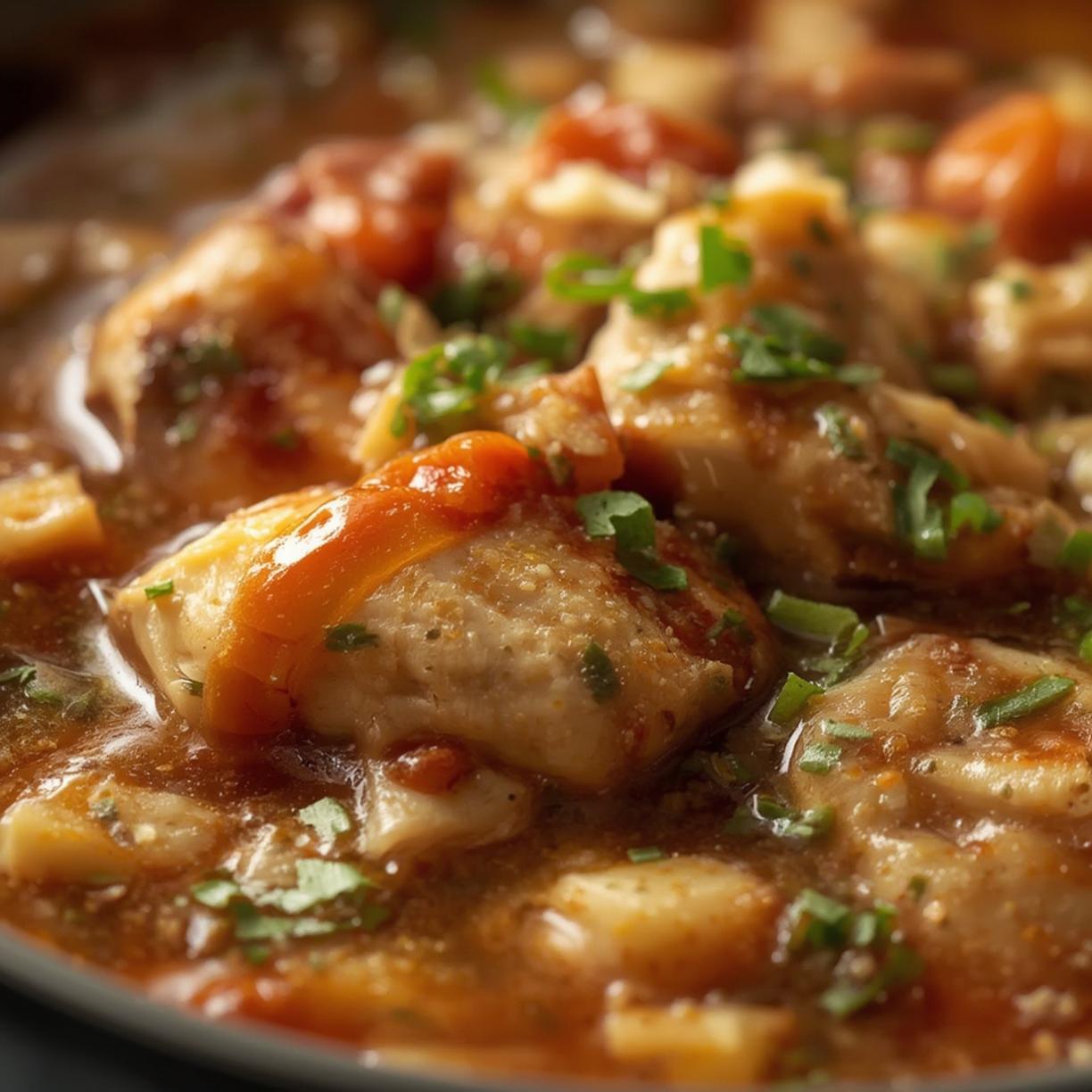
Once you’ve got your base recipe down and you know where the calories are coming from, the fun part is finding ways to keep things interesting so you don’t get tired of the same bowl every week.
The simplest and most satisfying approach is still the classic — a steaming bowl with lots of shredded chicken, golden broth, sweet carrots, and a handful of egg noodles. Finish it with fresh parsley and a squeeze of lemon and it tastes bright, clean, and deeply warming all at once. That hit of lemon at the end is something I came to later in life and now I can’t imagine the soup without it.
If you want something heartier, try adding white beans or chickpeas to the pot in the last 20 minutes of cooking. They absorb the broth flavor beautifully, add fiber and plant-based protein, and make the soup feel more substantial without a big calorie jump. A can of drained chickpeas adds roughly 120 calories to the whole pot but makes each bowl dramatically more filling.
For a lower-carb version, zucchini noodles (spiralized or just cut into thin rounds) work beautifully as a substitute for egg noodles. They soften quickly in the hot broth, have almost no calories, and don’t muddy the flavor of the soup at all. Cauliflower florets are another great low-carb add-in.
And if you want to take your soup in a different direction entirely, a spoonful of miso paste stirred into the finished broth adds an umami depth that’s unexpected and absolutely delicious. It also contributes probiotics and a modest amount of protein. Just be careful with additional salt if you go that route, since miso is already quite salty.
For anyone who loves a creamy finish, a small swirl of full-fat coconut milk or a tablespoon of Greek yogurt stirred in just before serving adds richness without a huge calorie cost — and gives the soup a silkiness that feels almost luxurious.
Common Myths About Chicken Soup Nutrition
There’s no shortage of misunderstandings floating around about chicken soup and its nutritional value. Let me set a few of them straight.
Myth 1: Homemade Chicken Soup Is High in Calories
This one gets repeated constantly, and it’s simply not accurate for most homemade versions. People often confuse restaurant chicken soup — which may be made with cream, butter, or heavy amounts of noodles — with the straightforward, broth-based homemade version. A bowl of homemade chicken soup with vegetables and a modest amount of chicken is genuinely one of the lowest-calorie satisfying meals you can eat. The calorie count only climbs significantly when you add starches, cream, or very large amounts of dark meat with the skin left on.
Myth 2: The Broth Has No Nutritional Value
People sometimes dismiss chicken broth as “just water” — flavored water that adds nothing meaningful to your diet. That’s a real oversimplification. Good homemade chicken broth contains collagen-derived gelatin, electrolytes, trace minerals like calcium and magnesium from the bones, and B vitamins from the chicken. It’s not a miracle food, but it’s far from empty. And for people who are sick or have reduced appetite, a warm cup of chicken broth can be one of the most genuinely nourishing things available.
Myth 3: You Need to Skim All the Fat Off
Yes, skimming the surface fat reduces the calorie count of your soup — but not all fat is the enemy of a good bowl. Some people skim obsessively and end up with a broth that tastes thin and flat. A small amount of chicken fat (also called schmaltz) contributes incredible flavor and carries fat-soluble nutrients like vitamins A and D. The key is balance — skim most of it, leave a little, and your soup will taste better and still be nutritionally reasonable.
Myth 4: Canned Soup Is Just as Good Nutritionally
This one comes up a lot and it’s worth addressing directly. Canned chicken soup can be convenient and isn’t terrible, but the sodium levels are dramatically higher than most homemade versions, the protein content tends to be lower, and the vegetable content is usually minimal. When you make soup at home, you control everything — the salt, the quality of the chicken, the amount of vegetables, the cooking time. That level of control produces a nutritionally superior product almost every time.
Conclusion
So the next time you’re standing at the stove with a pot of fragrant broth and a shredded chicken breast in your hands, you don’t need to feel uncertain about what you’re making. You already know the answer to how many calories in homemade chicken soup — and the answer is genuinely good news. A satisfying two-cup bowl with vegetables and chicken lands somewhere between 150 and 180 calories in its classic form, rises modestly with noodles or rice, and delivers an impressive nutritional profile for that calorie investment: solid protein, hydrating broth, a range of vitamins and minerals, and the kind of deep, warming satisfaction that only a bowl of real homemade soup can provide.
This is the kind of food worth making from scratch. It takes a little time, but the payoff — in flavor, in nutrition, in the way it makes your kitchen smell like home — is absolutely worth it every single time. If you try a batch this week, I’d love to hear how it turned out. Drop a comment below, tell me what vegetables you threw in, and let me know if you added noodles or kept it light. And while you’re here, explore some of our other Italian breakfast foods for more wholesome, satisfying meal inspiration.
FAQs
How many calories are in a bowl of homemade chicken soup without noodles?
A two-cup serving of homemade chicken soup without noodles or rice typically contains between 100 and 175 calories, depending on how much chicken is in the bowl and how rich your broth is. A broth-heavy version with mostly vegetables sits closer to 100 calories, while a bowl with a generous portion of shredded chicken and a variety of vegetables can reach 175 calories per serving.
Does homemade chicken soup have more protein than canned soup?
Generally, yes. Homemade chicken soup tends to have more protein per serving because you control the amount of chicken that goes into the pot. A typical two-cup homemade serving with a good amount of shredded chicken provides 15–25 grams of protein. Most canned chicken soups offer only 7–10 grams per cup and often have higher sodium content as well.
Is homemade chicken soup good for weight loss?
Absolutely. Homemade chicken soup is one of the best weight-loss-friendly meals you can make. It’s high in water content, high in protein, and — in its broth-based form without heavy starches — relatively low in calories. The combination of volume, warmth, and protein keeps you full for hours. Keeping noodles minimal and loading up on vegetables maximizes satiety at the lowest possible calorie cost.
How does adding noodles or rice affect the calorie count?
Adding half a cup of cooked egg noodles adds approximately 110 calories and 20 grams of carbohydrates to your bowl. Half a cup of cooked white rice adds around 100 calories. So a classic chicken noodle soup serving ends up around 220–280 calories compared to 100–175 calories for the noodle-free version. Using zucchini noodles or cauliflower instead keeps the calorie count low while maintaining a satisfying texture.
Can I eat homemade chicken soup every day?
Yes, for most people there’s no reason you can’t enjoy homemade chicken soup daily as part of a balanced diet. It’s rich in lean protein, hydrating, packed with vegetables, and relatively low in calories. The main thing to watch is sodium — if you’re eating soup every day, season it carefully at home so you’re not consuming excessive salt. Varying the vegetables and herbs you use keeps it nutritionally diverse and culinarily interesting.
How does homemade chicken soup compare nutritionally to store-bought?
Homemade chicken soup wins on nearly every front. Most canned or store-bought chicken soups contain 800–1,100mg of sodium per cup — two to three times higher than a carefully seasoned homemade version. The protein content in store-bought versions is also typically lower (7–10g per cup versus 15–20g+ for a homemade batch with generous chicken). You also control the quality of the chicken and the vegetables, avoid preservatives, and can adjust fat content by skimming. According to USDA FoodData Central, commercial canned chicken noodle soup averages just 3–5g of protein per 100ml — a significant drop from what you get cooking from scratch.