
If you’ve ever pulled a roasted chicken leg quarter off a sheet pan — skin crackling, juices pooling on the tray, the whole kitchen smelling like a Sunday dinner — and wondered exactly how much protein in a chicken leg quarter you’re actually about to eat, you’re not alone. It’s one of the most common questions I get, and honestly, it’s a great one. Chicken leg quarters are one of the most satisfying, budget-friendly cuts in the meat case — and the protein numbers are genuinely impressive.
How Much Protein in a Chicken Leg Quarter: The Quick Answer
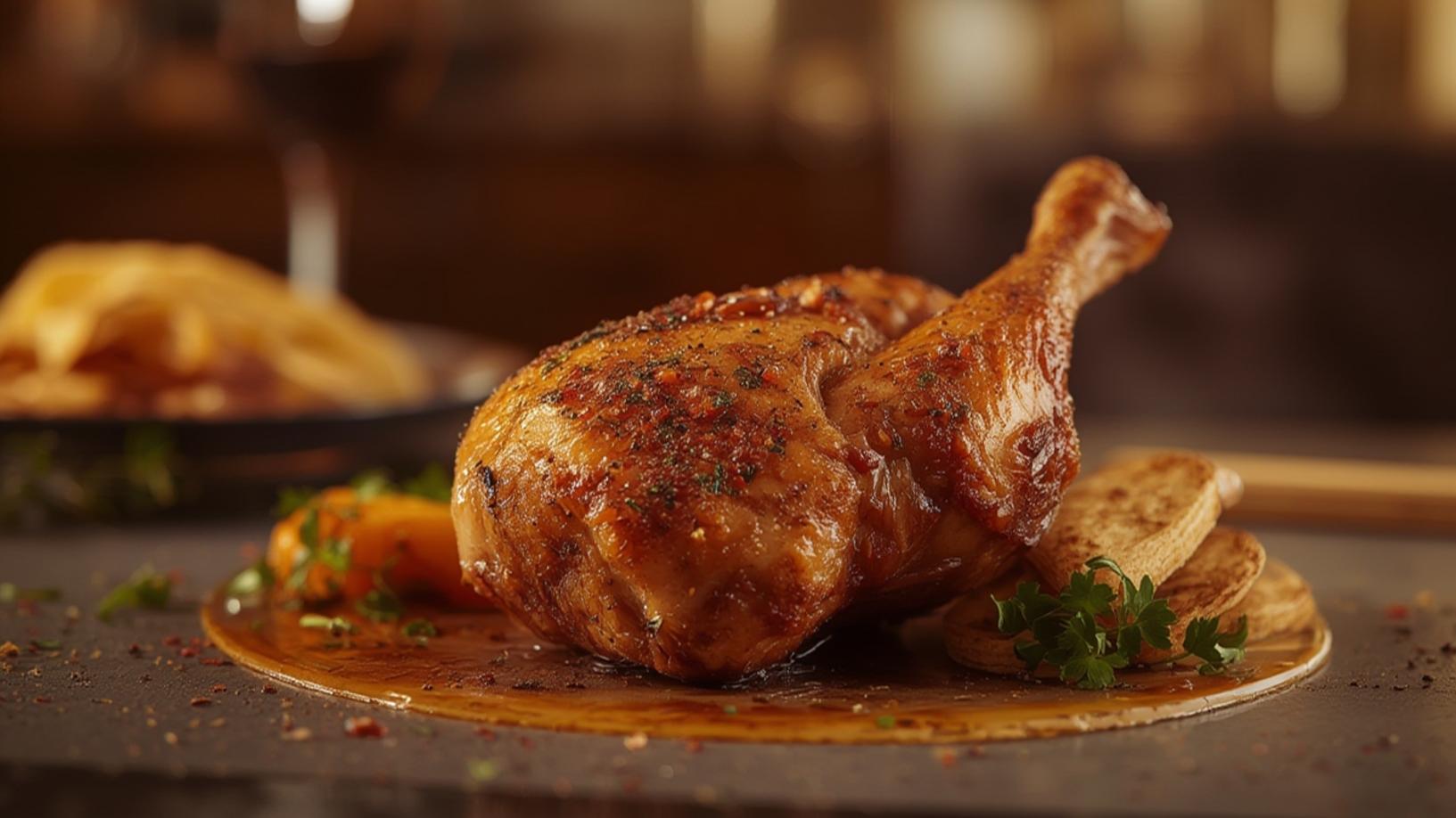
A cooked chicken leg quarter (thigh and drumstick combined, with bone) delivers roughly 38 to 46 grams of protein per serving, depending on size and whether the skin is included. A skinless roasted leg quarter averaging around 200g of cooked meat lands close to 42 grams of protein. That’s a serious amount of complete protein in one affordable, flavor-packed piece of chicken.
What Is a Chicken Leg Quarter?
A chicken leg quarter is exactly what it sounds like — one quarter of the whole bird, made up of the thigh and drumstick still attached at the joint, sometimes with a small section of the back. It’s the full lower leg assembly, and it’s where a lot of the bird’s best flavor lives.
If you’ve cooked both white and dark meat, you already know the difference intuitively. Leg quarters come from a part of the chicken that does more work — the muscles in the thigh and drumstick carry the bird around all day, so they develop more connective tissue, more myoglobin (that’s what gives dark meat its color), and a deeper, richer flavor. They’re also more forgiving to cook. Overcook a chicken breast by five minutes and it turns chalky. Overcook a leg quarter? It’s still juicy and pulling clean off the bone.
Thigh vs. Drumstick: What’s Actually Included
The leg quarter includes two distinct pieces, and it helps to understand how each contributes to the overall nutrition profile:
The thigh is the meatier, fattier portion. It sits above the joint and has a flat bone running through it. The thigh is where most of the fat — and honestly, most of the flavor — comes from. A typical bone-in, skin-on chicken thigh weighs around 110 to 140 grams raw and provides about 19 to 24 grams of protein when cooked.
The drumstick is the lower leg — leaner than the thigh, slightly firmer in texture, and beloved by anyone who’s ever eaten a finger-licking barbecue plate. A single drumstick runs around 85 to 110 grams raw and contributes roughly 14 to 17 grams of protein when cooked.
Together, attached as a leg quarter, you’re looking at a combined serving that typically weighs 280 to 380 grams raw and yields 180 to 250 grams of edible cooked meat once the bone and cooking loss are factored in.
Skin-On vs. Skinless
The skin adds fat and calories but contributes very little additional protein. Removing the skin before eating meaningfully lowers the fat content (roughly 8 to 12 grams less fat per serving) while keeping your protein intake essentially the same. That said — and I’ll say this with full conviction — roasting a leg quarter skin-on and then removing it at the table is a completely valid strategy. You get the flavor and moisture protection of cooking with the skin, and you control the fat by peeling it back before you eat. Best of both worlds.
Bone-In vs. Boneless
Most leg quarters are sold bone-in, which is actually ideal for roasting and braising. The bone conducts heat, slows down cooking slightly (in a good way), and contributes collagen and minerals to the cooking liquid if you’re braising. When comparing protein data, always account for the fact that the bone adds significant weight — typically 20 to 30% of the raw weight — so a 340-gram raw leg quarter might only yield around 210 to 230 grams of actual meat.
How Much Protein in a Chicken Leg Quarter: Full Nutritional Breakdown
Let’s get into the actual numbers. The data below is based on a roasted, bone-in, skin-on chicken leg quarter with an edible portion of approximately 200 to 220 grams (about 7 to 8 oz of cooked meat), which reflects a realistic single serving. All figures are sourced from USDA FoodData Central’s chicken leg data.
Protein Content
A roasted chicken leg quarter with skin provides approximately 38 to 46 grams of protein per serving. Per 100 grams of cooked meat (skin included), that works out to roughly 25 to 27 grams of protein. Remove the skin, and that per-100g figure edges slightly higher — around 27 to 29 grams — because you’re removing fat without losing meaningful protein.
This is a complete protein, meaning it contains all nine essential amino acids your body can’t produce on its own: histidine, isoleucine, leucine, lysine, methionine, phenylalanine, threonine, tryptophan, and valine. For muscle building and tissue repair, that completeness matters. Chicken’s biological value — a measure of how efficiently the body uses a protein source — is consistently high, comparable to eggs and significantly better than most plant-based proteins alone.
Calories
A skin-on roasted leg quarter runs approximately 380 to 430 calories per full serving. Removing the skin drops that to roughly 280 to 320 calories, making it a genuinely lean option when eaten skinless. Per 100 grams of cooked meat with skin, you’re looking at about 218 to 230 calories.
Fat Content
Total fat in a skin-on leg quarter sits around 22 to 28 grams per serving, with the breakdown being roughly equal parts saturated and unsaturated fat. Skinless, that drops to about 10 to 14 grams total fat. Dark meat does have more fat than chicken breast — that’s just the reality — but it’s worth noting that the majority of that fat is monounsaturated and polyunsaturated, which are associated with heart health rather than working against it.
Key Micronutrients
Beyond the chicken macros, leg quarters are genuinely rich in micronutrients that often get overlooked:
- Vitamin B12: One leg quarter provides about 15 to 20% of the daily recommended intake — important for nerve function and red blood cell production.
- Niacin (B3): An outstanding source, with a single serving covering roughly 50 to 60% of your daily needs. Niacin supports energy metabolism and DNA repair.
- Selenium: Around 40 to 50% of the daily recommended intake per serving. Selenium acts as an antioxidant and supports thyroid function.
- Phosphorus: About 25 to 30% of the daily value, important for bone health and cellular energy production.
- Zinc: Roughly 15 to 20% of daily needs — valuable for immune function and protein synthesis.
- Iron: Dark meat contains meaningfully more iron than white meat, with a leg quarter providing around 8 to 10% of the daily recommended intake.
Nutritional data verified against USDA FoodData Central, March 2026.
Health Benefits of Chicken Leg Quarters
Supports Muscle Recovery and Growth
The high concentration of essential amino acids — particularly leucine, which directly triggers muscle protein synthesis — makes chicken leg quarters an excellent post-workout meal. When you’re trying to build or maintain muscle, getting enough leucine in each protein-rich meal matters. A full leg quarter comfortably clears the threshold needed to maximally stimulate muscle protein synthesis in a single sitting. If you’re putting together a structured high-protein meal prep plan, leg quarters are one of the smartest cuts to build your weekly cooking around.
Helps With Weight Management
Protein is the most satiating macronutrient — it keeps you full longer and helps reduce the urge to snack between meals. A chicken leg quarter’s protein content, even in a skinless preparation, delivers enough to meaningfully suppress appetite for hours. Research consistently links higher dietary protein intake to reduced calorie consumption overall and better body composition outcomes, especially when the protein source is whole food rather than processed.
Rich in B Vitamins That Fuel Energy
The niacin and B12 in chicken leg quarters aren’t just numbers on a label. These vitamins play real, daily roles — niacin helps your body convert the food you eat into usable energy, while B12 keeps your nervous system functioning properly and supports the production of red blood cells that carry oxygen to working muscles. If you’re active and eating chicken regularly, these B vitamin contributions add up in a genuinely meaningful way.
Provides Immune-Supporting Minerals
The selenium and zinc in a chicken leg quarter both play important roles in immune function. Selenium in particular has antioxidant properties that help protect cells from oxidative stress. Medical News Today notes that selenium deficiency is associated with impaired immunity and increased susceptibility to illness — making chicken a practical everyday way to stay on top of your intake without thinking too hard about it.
More Iron Than White Meat
One often-overlooked advantage of dark meat: it contains noticeably more iron than chicken breast. While chicken iron is non-heme iron (less easily absorbed than heme iron from red meat), it still contributes to daily intake, and pairing it with vitamin C-rich sides — roasted bell peppers, a squeeze of lemon — can boost absorption meaningfully.
Chicken Leg Quarter Protein for Your Goals
For Weight Loss
Skinless roasted leg quarters are an excellent weight-loss protein source. At roughly 280 to 320 calories for a generous, filling serving, they give you 38 to 44 grams of protein — a ratio that’s hard to beat for satiety per calorie. The key is preparation: roasting or baking without heavy added fats keeps the calorie count in check while letting the natural richness of dark meat carry the flavor. You don’t need to drown it in sauce to make it satisfying.
If you’re managing calories carefully, removing the skin before eating and pairing the leg quarter with high-volume, low-calorie sides (steamed broccoli, a simple green salad, roasted cauliflower) creates a complete meal well under 500 calories that genuinely keeps hunger at bay for hours.
For Muscle Building
For muscle building, hitting protein targets consistently matters more than the specific source — but chicken leg quarters make it easy. A single serving clears most people’s per-meal protein target for muscle protein synthesis (generally cited at 25 to 40 grams of high-quality protein, depending on body weight). The high leucine content, combined with the complete amino acid profile, makes this a reliable muscle-building staple.
If you’re tracking macros, a skin-on leg quarter runs about 42g protein / 25g fat / 0g carbs per serving. Remove the skin and you’re looking at something closer to 42g protein / 12g fat / 0g carbs — almost purely protein and fat with virtually no carbohydrates, which fits easily into most muscle-building nutrition plans.
For High-Protein Meal Prep
Leg quarters are one of the best cuts for batch cooking. They’re cheap, they hold up beautifully in the refrigerator for several days without drying out (unlike chicken breast, which can turn grainy after reheating), and they work in a huge range of cuisines. Roast a tray of four or five on Sunday, and you’ve got the protein base for lunch and dinner across the week. You can pull the meat off the bone and use it in grain bowls, tacos, soups, or salads — the applications are nearly endless.
For more ideas on building a week’s worth of protein-rich meals efficiently, our guide on high-protein meal prep walks through practical strategies for getting the most out of your Sunday cooking session.
For High-Protein Diets (Keto, Paleo, Carnivore)
Chicken leg quarters are naturally zero-carb and high in both protein and fat, which makes them a natural fit for ketogenic, paleo, and carnivore eating patterns. The higher fat content of dark meat (compared to breast) is actually advantageous on a keto diet where fat is the primary fuel source. Skin-on preparations roasted with olive oil or butter hit the fat macros cleanly while delivering complete protein in every bite.
Best Ways to Enjoy Chicken Leg Quarters

One of the things I genuinely love about leg quarters is how adaptable they are. The same cut that works on a weeknight sheet pan dinner is equally at home slow-braised in tomato sauce or charred over charcoal on a summer evening. Here’s how I approach them depending on what I’m going for:
Oven Roasting
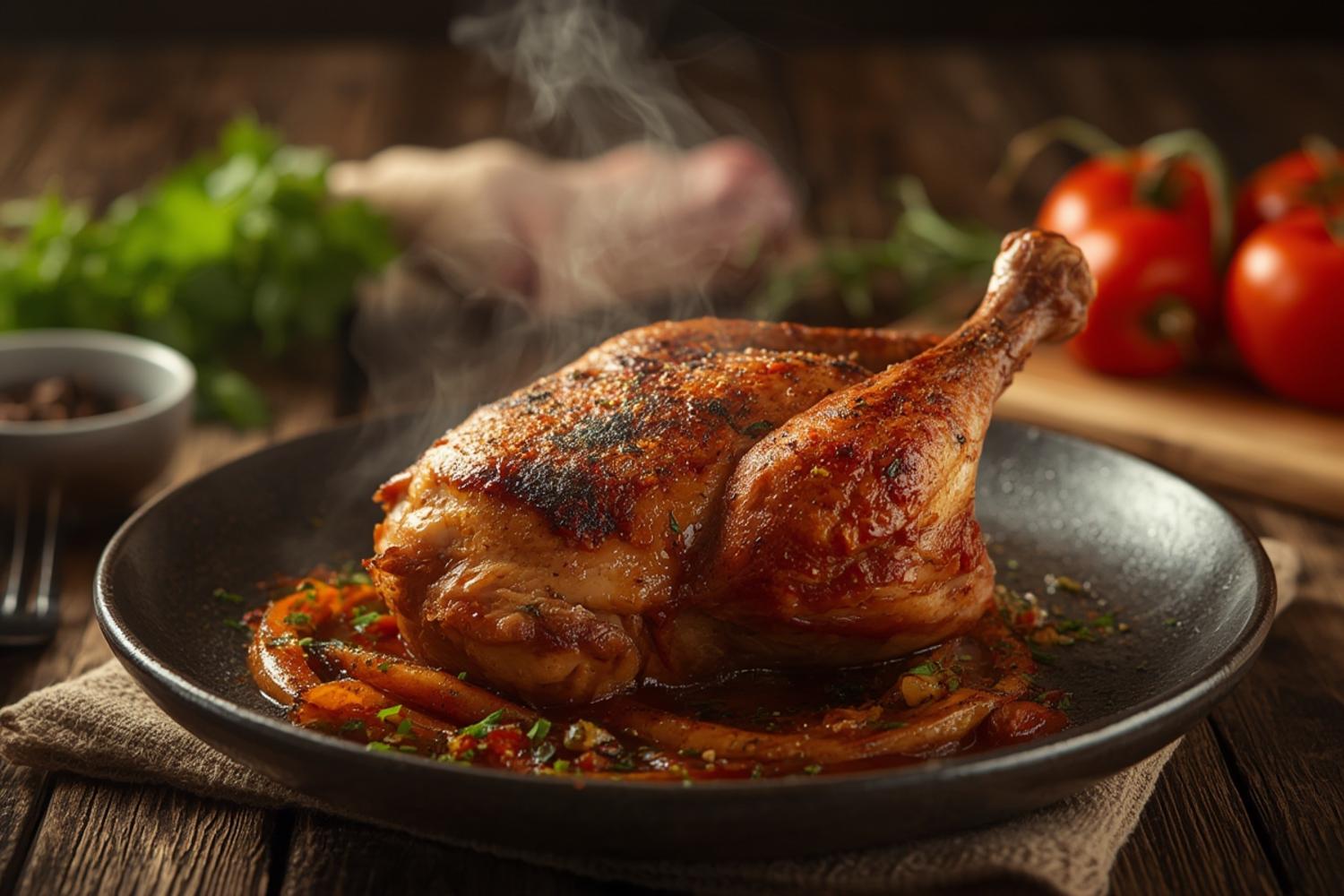
This is probably the method most people default to, and for good reason — it’s hands-off, reliable, and produces that irresistible crispy skin. Pat the chicken dry (this is the single most important step for crispy skin), season generously with salt, pepper, and whatever spices you’re working with, then roast at 425°F (220°C) for 35 to 45 minutes depending on size. You’re looking for an internal temperature of 165°F (74°C), but honestly, with leg quarters I often let them go to 175 to 180°F — the extra time breaks down the connective tissue and makes the meat even more tender without drying it out.
Braising
Braising transforms leg quarters into something genuinely luxurious. Brown them first in a heavy pan until the skin is deeply golden, then add your braising liquid — stock, wine, crushed tomatoes, coconut milk, whatever fits the flavor profile — cover, and let them cook low and slow for 45 minutes to an hour. The collagen in the dark meat dissolves into the sauce, thickening it naturally and creating a richness that takes almost no effort to achieve.
Grilling
Grilling leg quarters over two-zone heat (start indirect, finish direct) gives you smoky char without burning the skin before the interior cooks through. Bone-in cuts need more time over indirect heat before you move them to the hot side for the final sear. Plan on 40 to 50 minutes total, finishing on high heat for the last 5 to 8 minutes to crisp the skin and get those grill marks.
Slow Cooker or Instant Pot
If you’re batch cooking for the week, a slow cooker is your friend. Season the leg quarters, add a cup of broth and your aromatics, and cook on low for 6 to 7 hours. The meat practically falls off the bone and shreds beautifully for tacos, rice bowls, or soups. You lose the crispy skin with this method, but for meal-prep purposes — where you’re likely stripping the meat anyway — that doesn’t matter at all.
For specific recipe ideas, check out our roundup of chicken breast calorie comparisons if you’re choosing between cuts based on nutrition goals, or explore our chicken wings nutrition guide if you’re curious how other dark meat cuts stack up on protein and fat.
Common Misconceptions About Chicken Leg Quarter Protein
“Dark Meat Has Way Less Protein Than White Meat”
This one comes up constantly, and the actual numbers tell a more nuanced story. Chicken breast does edge ahead on protein per 100g of cooked meat — roughly 31g versus 27g for dark meat with skin. But a full leg quarter is a significantly larger piece than a standard chicken breast portion, so the total protein per serving often comes out comparable or even higher. A 7 oz leg quarter easily delivers 40+ grams of protein. That’s not “way less” than anything — that’s a serious protein serving.
“The Fat in Dark Meat Makes It Unhealthy”
The fat content in chicken dark meat is higher than breast, that’s true. But the composition of that fat matters. The majority is monounsaturated and polyunsaturated fat — the same types found in olive oil and avocado — with a smaller saturated fat fraction. When eaten as part of a balanced diet, the fat in a chicken leg quarter contributes to satiety, supports fat-soluble vitamin absorption, and doesn’t represent the dietary hazard it’s sometimes portrayed as. Context always matters with fat.
“You Need to Remove the Skin to Get the Protein Benefits”
The skin adds fat and calories but doesn’t meaningfully change the protein content of your serving. Whether you eat the skin or remove it, the protein you’re getting from the muscle meat underneath is essentially identical. Removing the skin is a valid choice if you’re managing calories or fat intake — but it’s a fat and calorie decision, not a protein decision.
“Chicken Leg Quarters Aren’t Suitable for a Lean Diet”
Skinless leg quarters are genuinely lean. At around 280 to 320 calories with 38 to 44 grams of protein and only 10 to 14 grams of fat, they fit easily into almost any calorie-conscious eating plan. “Lean” doesn’t mean exclusively white meat — it means a reasonable fat-to-protein ratio, and skinless dark meat absolutely delivers that. For a comparison of how different chicken cuts rank nutritionally, our breakdown of chicken breast calories gives helpful context on where leg quarters sit relative to the leaner cuts.
Final Thoughts
Chicken leg quarters are one of those cuts that serious home cooks keep coming back to — not because they’re trendy, but because they deliver on every front that actually matters. The flavor is rich and satisfying. The protein numbers are genuinely impressive. They’re affordable, versatile, and forgiving enough to cook well even when you’re distracted by a busy weeknight. Whether you’re roasting them for a family dinner, shredding them into a meal-prep container, or braising them low and slow on a Sunday afternoon, you’re working with one of the best healthy protein sources available in any grocery store.
Knowing how much protein in a chicken leg quarter helps you plan smarter — whether that’s hitting a daily protein target, building meals around your fitness goals, or just feeling confident that what you’re putting on the plate is genuinely nourishing. Forty-plus grams of complete protein per serving, a full complement of B vitamins and essential minerals, and a flavor profile that needs minimal intervention to shine? That’s a cut worth knowing inside and out.
Got a question about cooking chicken leg quarters, or a variation you’ve been making for years? Drop it in the comments — I’d genuinely love to hear how you’re using them.
Frequently Asked Questions
How much protein is in one chicken leg quarter?
A single roasted chicken leg quarter (thigh and drumstick combined) provides approximately 38 to 46 grams of protein, depending on size and whether the skin is included. Per 100 grams of cooked meat with skin, you’re looking at about 25 to 27 grams of protein. Skinless, that figure rises slightly to around 27 to 29 grams per 100g.
Is chicken leg quarter good for weight loss?
Yes — especially when eaten skinless. A skinless roasted leg quarter delivers around 280 to 320 calories with 38 to 44 grams of protein, making it highly satisfying per calorie. High protein intake is consistently linked to better satiety and reduced overall calorie consumption, which supports weight management effectively when combined with a balanced diet.
How does a chicken leg quarter compare to chicken breast for protein?
Chicken breast has slightly more protein per 100g (around 31g versus 27g for skin-on dark meat), but a full leg quarter is a larger serving than a typical breast portion. In practice, the total protein per meal can be comparable or higher with a leg quarter, particularly since dark meat is often served as a larger, bone-in piece.
What’s the best way to cook a chicken leg quarter to retain protein?
All standard cooking methods — roasting, baking, braising, grilling — retain the protein content well. Cooking method doesn’t significantly reduce protein. Focus instead on not overcooking, which affects texture rather than protein content. Roasting at 425°F to an internal temperature of 165 to 180°F produces the best combination of juicy meat and crispy skin.
Can chicken leg quarters be part of a high-protein meal prep routine?
Absolutely. Leg quarters are one of the best cuts for batch cooking — they’re affordable, stay moist after reheating (unlike chicken breast), and work across a wide range of cuisines. Roast a tray on Sunday, strip the meat off the bone, and use it throughout the week in bowls, wraps, soups, and salads for a reliable high-protein base all week long.