
I used to stand in the grocery store meat aisle longer than I’d like to admit, staring at packages of chicken breast in one hand and chicken thighs in the other, genuinely unsure which one was doing more for my body. I’d heard people at the gym swear by chicken breast like it was the holy grail of protein, but I’d also read articles that made chicken thighs sound like the smarter, tastier pick. Sound familiar? The chicken breast vs chicken thigh protein debate is one of those food conversations that comes up constantly — at meal prep Sundays, in fitness forums, around dinner tables — and yet most people still aren’t sure who actually wins. So I decided to dig into the real numbers, do the cooking experiments myself, and lay it all out for you here.
Chicken Breast vs Chicken Thigh Protein: The Quick Answer
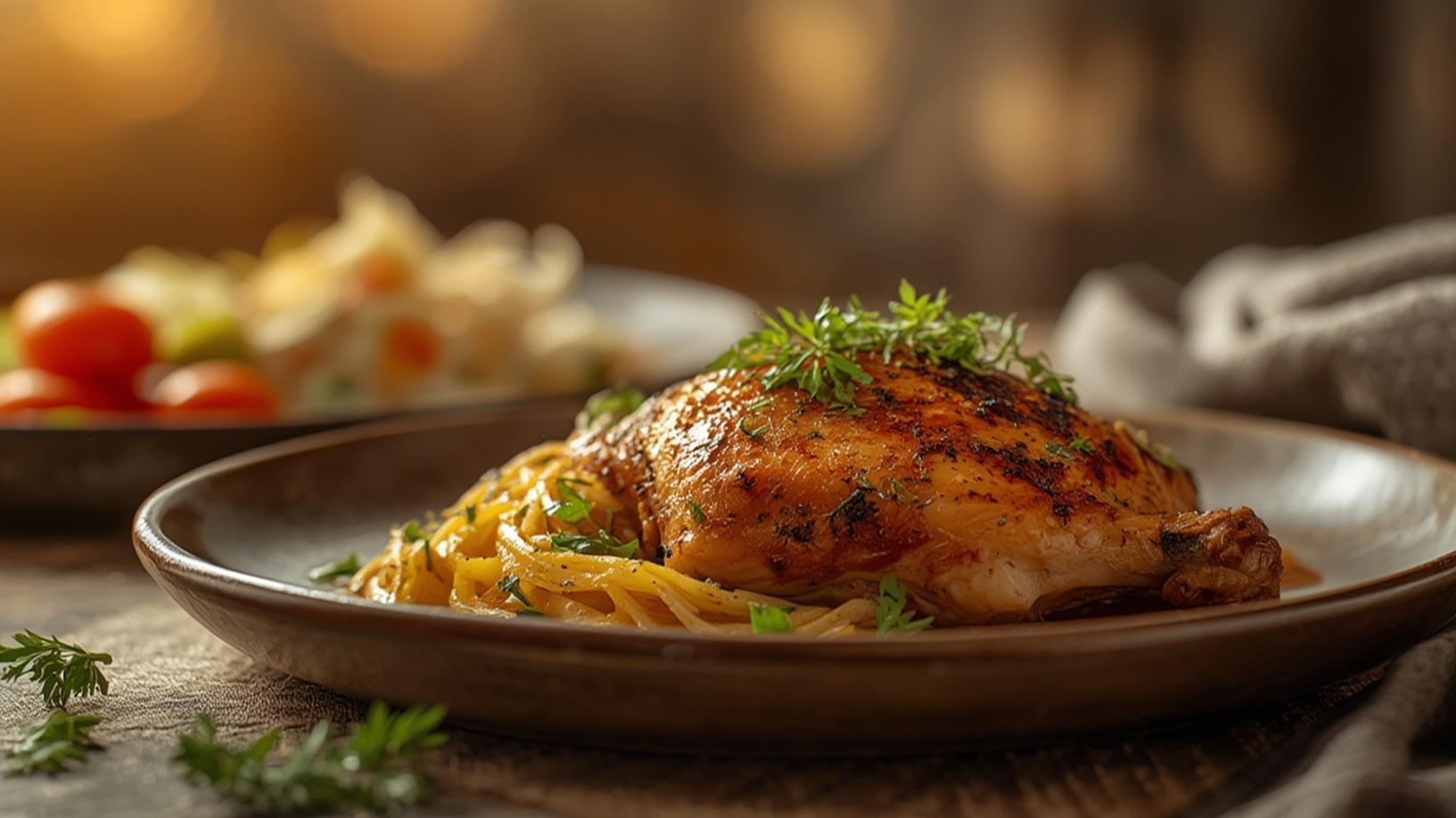
Chicken breast wins the protein-per-gram race — a 100g serving of cooked, boneless, skinless chicken breast delivers roughly 31 grams of protein compared to around 26 grams from the same serving of chicken thigh. That said, chicken thighs bring more fat, deeper flavor, and a softer, juicier texture that makes them far more forgiving to cook. For pure protein density, breast is ahead — but for overall nutrition, satisfaction, and taste, thighs are absolutely worth your attention.
What Is Chicken, Really? Understanding the Cut Differences
Chicken is one of the most widely consumed sources of animal protein on the planet, and it’s been a staple of home kitchens for good reason. It’s affordable, versatile, quick to cook, and genuinely nutritious. But not all chicken is created equal, and the difference between a breast and a thigh goes deeper than just location on the bird.
White Meat vs Dark Meat
Chicken breast is what we call white meat. It comes from the pectoral muscles of the bird — muscles that don’t get a lot of use during the chicken’s life, which is why the meat is so pale and lean. White meat has fewer myoglobin-rich fibers (the protein that gives dark meat its color), and this is exactly what keeps it lower in fat and iron.
Chicken thighs are dark meat. They come from the leg and thigh area, muscles that are in near-constant use, making them denser, richer, and packed with more connective tissue and fat. That fat isn’t just about calories — it’s actually what gives dark meat that unmistakable, savory depth you get when you bite into a perfectly roasted thigh. The skin crisps up like nothing else, and the meat practically melts off the bone.
Bone-In vs Boneless, Skin-On vs Skinless
The nutrition numbers shift quite a bit depending on whether you’re comparing bone-in, skin-on cuts or the boneless, skinless versions that most people reach for in health-conscious cooking. Skin adds fat — sometimes doubling the fat content — while the bone adds weight without nutritional value. Most of the comparisons you’ll see (and the ones I’ll use here) refer to boneless, skinless cuts unless stated otherwise.
How Each Cut Tastes and Behaves in the Kitchen
Chicken breast has a mild, clean flavor and a firm texture that absorbs marinades beautifully. The downside? It dries out fast if you’re not careful. Overcook it by even a few minutes and you’ve got something closer to cardboard than dinner. Chicken thighs are genuinely more forgiving — that extra fat keeps them moist even when you accidentally forget them for a few extra minutes. I’ve baked thighs at 400°F, gotten distracted by a phone call, and pulled them out ten minutes late only to find them still succulent and golden. Try that with a chicken breast.
Chicken Breast vs Chicken Thigh Protein: Full Nutritional Breakdown
Let’s get into the actual numbers, because this is where the real story lives. All figures below are based on cooked, boneless, skinless portions per 100 grams, sourced from USDA FoodData Central.
Protein Content
Chicken breast: approximately 31g of protein per 100g cooked. Chicken thigh: approximately 26g of protein per 100g cooked.
That’s a meaningful difference if you’re counting every gram — about a 5g gap per 100g serving. Scale that up to a 200g portion (which is pretty typical for a main meal), and you’re looking at 62g versus 52g of protein. Both are excellent sources of complete protein, meaning they contain all nine essential amino acids your body can’t make on its own. Chicken is considered a high biological value protein, which basically means your body is able to absorb and use it efficiently.
Calories and Fat
Chicken breast: roughly 165 calories and 3.6g of fat per 100g. Chicken thigh: roughly 209 calories and 10.9g of fat per 100g.
The fat difference is significant. Chicken thighs have about three times the fat of chicken breast. However, a good chunk of that fat is unsaturated, particularly oleic acid — the same type found in olive oil — which has been linked to heart-healthy outcomes. So the fat in thighs isn’t something to panic about.
Vitamins and Minerals
Both cuts provide solid amounts of B vitamins, especially niacin (B3) and B6, which play key roles in energy metabolism and brain function. Chicken thighs pull ahead when it comes to iron, zinc, and selenium — minerals that support immune function and thyroid health. Chicken breast, meanwhile, delivers slightly more phosphorus and potassium per serving.
If you want to compare how chicken breast calories break down in the context of a full daily diet, that article gives you a really thorough look at the numbers. And if you’re curious about other popular cuts, the breakdown of chicken wings nutrition might surprise you — wings have their own interesting macro profile that’s worth knowing.
Health Benefits of Eating Chicken Regularly
Chicken — in either form — is one of the most nutrient-dense foods you can build your meals around. Here’s what eating it regularly actually does for your body.
Supports Muscle Growth and Repair
Both chicken breast and thigh are rich in leucine, isoleucine, and valine — the branched-chain amino acids (BCAAs) that are directly involved in muscle protein synthesis. After a workout, your muscles are hungry for amino acids to begin the repair and rebuilding process, and chicken delivers exactly what’s needed. According to Healthline’s guide on protein and muscle gain, consuming adequate high-quality protein from sources like chicken is one of the most evidence-backed strategies for building lean muscle over time.
Keeps You Feeling Full
Protein is the most satiating macronutrient — it takes longer to digest than carbohydrates and triggers satiety hormones more effectively. A chicken-based meal keeps you full and satisfied in a way that a carb-heavy plate often doesn’t. If you’ve ever noticed that a grilled chicken lunch holds you over until dinner while a sandwich leaves you hungry by 3pm, that’s not your imagination — it’s protein doing its job.
Boosts Metabolism
The thermic effect of food (TEF) refers to the energy your body uses just to digest and process what you eat. Protein has the highest TEF of any macronutrient, meaning your body burns more calories processing chicken than it does processing fat or carbs. It’s not a dramatic number, but over the course of a week of consistent high-protein eating, it adds up in your favor.
Supports Heart Health (Especially Thighs)
The unsaturated fats found in chicken thighs — particularly oleic acid — are the same fats associated with reduced inflammation and improved cholesterol profiles, according to research highlighted by Medical News Today. Choosing thighs over red meat is a genuinely heart-smart swap, and the fat content, while higher than breast, is far more favorable than what you’d find in a comparable serving of beef.
Provides Essential Micronutrients
Beyond the macros, chicken brings a respectable spread of micronutrients. The selenium in dark meat supports thyroid function and acts as an antioxidant. The niacin in both cuts plays a role in DNA repair. Even the phosphorus matters — it’s a key player in bone health and energy production at the cellular level.
Chicken Breast vs Chicken Thigh Protein for Your Goals
Here’s where the real practical value kicks in — because the “best” cut genuinely depends on what you’re trying to accomplish.
For Weight Loss
If you’re in a calorie deficit and trying to maximize protein intake while keeping calories low, chicken breast is your best friend. The ratio of protein to calories is simply unbeatable. You’re getting roughly 31g of protein for only 165 calories — that’s hard to beat in any food group. When every calorie counts, that efficiency matters. That said, don’t completely abandon thighs — the fat content helps with satiety, and if a slightly higher-calorie thigh means you’re not reaching for snacks an hour later, the math might still work out in your favor.
For Muscle Building
Honestly? Either cut works well for muscle building because the protein quality is excellent in both. The slight protein advantage of breast means you’d get a marginally higher amino acid dose per serving, but the difference is unlikely to be noticeable in practice. Many serious lifters actually prefer thighs during a bulk phase because the extra calories and fat support a caloric surplus without having to force-feed themselves dry, bland chicken breast every single day.
For Meal Prep
Thighs win this category almost every time. When you’re cooking a big batch on Sunday to eat throughout the week, chicken breast tends to dry out in the fridge after a day or two — especially when reheated. Thighs stay moist, flavorful, and satisfying for up to four days in the refrigerator, making them the more practical choice for easy chicken thigh meal prep that actually tastes good on day four as much as day one.
For a High-Protein Diet
If you’re following a high-protein dietary approach — whether that’s general fitness nutrition, a keto-adjacent eating style, or a structured plan — chicken breast gives you the most protein per calorie and per gram of food. Pairing breast with healthy fats from olive oil, avocado, or a side of nuts brings the overall meal profile to a genuinely excellent place without sacrificing any macronutrient goals.
How to Eat More Chicken: Best Ways to Enjoy Both Cuts

Knowing the protein numbers is one thing. Actually eating enough chicken in ways that feel exciting and not monotonous is another challenge entirely. Here’s how I work both cuts into my weekly routine without getting bored.
For chicken breast, the key is moisture management. Brining the breast in salted water for 30 minutes before cooking — even a simple water and salt solution — makes a remarkable difference in the final texture. After that, high heat is your friend. A screaming hot cast iron pan with a drizzle of olive oil gives you that gorgeous golden crust in about 4 minutes per side. Rest it under foil for 5 minutes before slicing and you’ll get something genuinely juicy.
Chicken thighs are almost foolproof. Season them generously — don’t be shy with garlic powder, smoked paprika, and a pinch of cumin — and roast them at 400°F skin-side up for 35 to 40 minutes. The skin goes deeply golden and crisp, the meat underneath stays incredibly tender, and the whole thing comes together with almost zero active effort. Slice them over a grain bowl, shred them into tacos, or serve them straight from the pan with a squeeze of lemon and some fresh herbs.
Some of my favorite ways to use both cuts during the week: grilled breast over a big arugula salad with shaved parmesan and a lemon-olive oil dressing; baked thighs with roasted vegetables sheet-pan style; shredded breast stirred into a white bean soup; thighs braised in canned tomatoes with olives and capers. The variety is genuinely endless, and both cuts soak up bold flavors like professionals.
Common Myths About Chicken Breast vs Chicken Thigh Protein
There’s a lot of misinformation floating around about these two cuts, and some of it has been circulating for so long that people repeat it without questioning it. Here are a few of the biggest ones.
Myth: Chicken Thighs Are Unhealthy Because of the Fat
This one is so outdated it’s almost funny, but it still gets repeated. The fat in chicken thighs is predominantly unsaturated, and dietary fat itself is not the enemy — it’s an essential macronutrient your body needs for hormone production, vitamin absorption, and sustained energy. The idea that fat in food automatically becomes fat on your body is a misunderstanding of basic metabolism. Context matters: a chicken thigh as part of a balanced diet is genuinely nutritious.
Myth: Chicken Breast Is the Only Protein Worth Eating for Fitness Goals
Walk into any serious gym and you’ll hear people talk about chicken breast like it’s the only legitimate protein source for athletes. But chicken thighs — with their nearly comparable protein content and superior flavor — are just as effective for muscle building and recovery. Plenty of elite athletes and coaches include both cuts regularly without any performance drawbacks.
Myth: The Skin Makes Chicken Thighs a Bad Choice
Removing the skin significantly reduces the fat content, but even skin-on thighs eaten occasionally aren’t going to derail a healthy diet. The skin adds a crispy, deeply satisfying element that makes chicken thighs a genuinely pleasurable meal — and food that tastes great is food you’ll actually stick with long-term. One roasted chicken thigh with the skin on at dinner is not the problem; a diet full of processed food is.
Myth: All Chicken Protein Is the Same Regardless of Preparation
How you cook your chicken actually affects its protein bioavailability and overall nutritional profile. Deep-frying adds significant fat and calories from the oil. Grilling and baking preserve the natural macros most effectively. Boiling or poaching can cause some water-soluble B vitamins to leach into the cooking liquid — though if you’re using that liquid for soup or broth, you’re not losing much. The cooking method matters more than most people realize.
Conclusion
So after all of this — the numbers, the cooking experiments, the myth-busting — where do I actually land? Honestly, I use both cuts and I think you should too. The chicken breast vs chicken thigh protein debate doesn’t have a single correct answer because the right choice depends entirely on your goals, your budget, your taste preferences, and frankly, what sounds good on a Tuesday evening. Chicken breast gives you the leanest, highest-protein option per calorie — perfect for cutting phases, calorie tracking, and high-volume protein days. Chicken thighs bring incredible flavor, better meal prep resilience, and a more satisfying eating experience overall.
What I’d encourage you to do is stop thinking of one as “healthy” and the other as an indulgence. Both are excellent sources of complete protein, both provide essential amino acids, and both deserve a regular spot in your kitchen rotation. Play with both. Get comfortable cooking them in different ways. And if you’ve been avoiding thighs because of outdated fat fears, tonight might be the night to roast a pan of them and discover what you’ve been missing.
I’d love to know which cut you reach for most — leave a comment below and tell me your go-to chicken recipe. And if this comparison sparked some meal prep inspiration, explore the rest of the blog for recipes and nutritional guides that’ll keep your kitchen exciting and your goals on track.
FAQs
Does chicken breast really have more protein than chicken thigh?
Yes, chicken breast does contain more protein per 100 grams than chicken thigh. Cooked, boneless, skinless chicken breast provides around 31 grams of protein per 100g, while chicken thigh offers approximately 26 grams. The gap is real, though both are excellent high-quality protein sources that deliver all essential amino acids. For maximum protein efficiency per calorie, breast is the winner.
Is it okay to eat chicken thighs every day?
Eating chicken thighs daily can absolutely fit into a balanced diet. The fat content is higher than breast, but the fats are largely unsaturated, which are considered heart-healthy. Rotating between breast and thighs throughout the week is a smart approach — you get variety in flavor, different micronutrient profiles, and you’re less likely to hit flavor fatigue and fall off your meal plan.
Which chicken cut is better for weight loss?
For weight loss, chicken breast is generally the more efficient choice because it delivers more protein for fewer calories — roughly 31g protein for 165 calories per 100g. That efficiency helps preserve lean muscle during a caloric deficit. However, chicken thighs’ higher fat content can increase satiety, so if thighs help you avoid snacking, the slightly higher calorie count may balance out.
Can I substitute chicken thighs for chicken breast in recipes?
In most recipes, yes — you can swap chicken thighs for breast and vice versa, with some adjustments. Thighs need slightly longer cooking time and handle high heat or braising better without drying out. Breast cooks faster and works beautifully for stir-fries or grilled dishes. When substituting, just monitor internal temperature: both cuts are safe to eat at 165°F (74°C) measured at the thickest point.
Which is better for building muscle — chicken breast or chicken thigh?
Both cuts support muscle building effectively because both provide complete protein with all essential amino acids, including the BCAAs leucine, isoleucine, and valine that drive muscle protein synthesis. Chicken breast offers a marginally higher protein dose per serving, which can be advantageous during a cutting phase. During a muscle-building phase with higher calorie needs, chicken thighs’ extra calories and fat can actually be helpful for hitting your targets.